Are Thermally Broken Windows Better for Cold and Windy Climates?

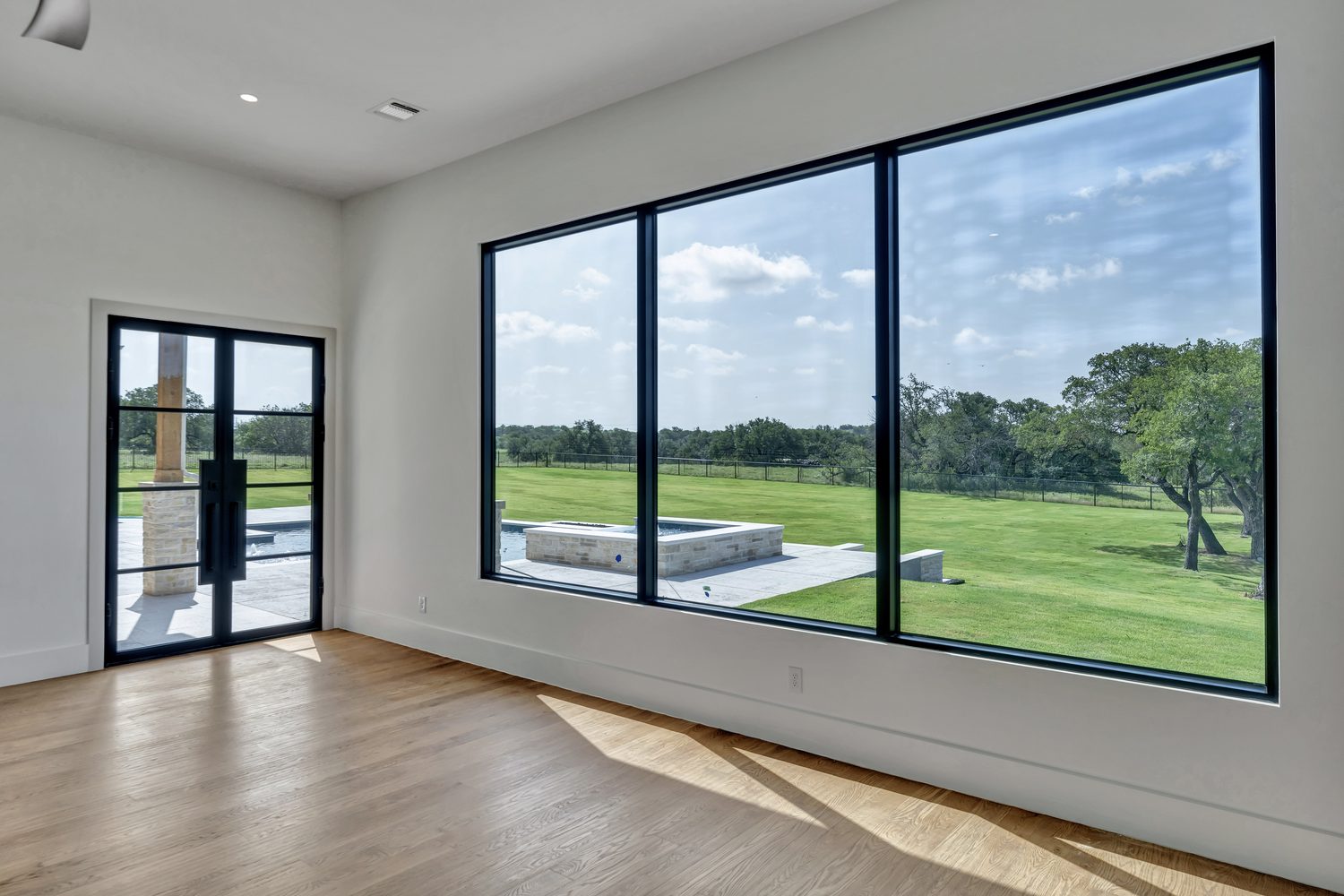
Thermally broken aluminum windows are designed to stop cold from moving through the frame, which is exactly what matters most in cold and windy climates. They cut condensation, lower heating bills, and keep drafts out far better than standard unbroken aluminum frames — and we own our factories, so we control every spec.
For North Texas homes that face freezing nights and gusty spring winds, a thermally broken aluminum window is worth the upgrade. Schedule your free consultation at any of our 4 DFW showrooms (Dallas, Frisco, Fort Worth, Grapevine).
What Does a Thermal Break Actually Do?
Love That Door®
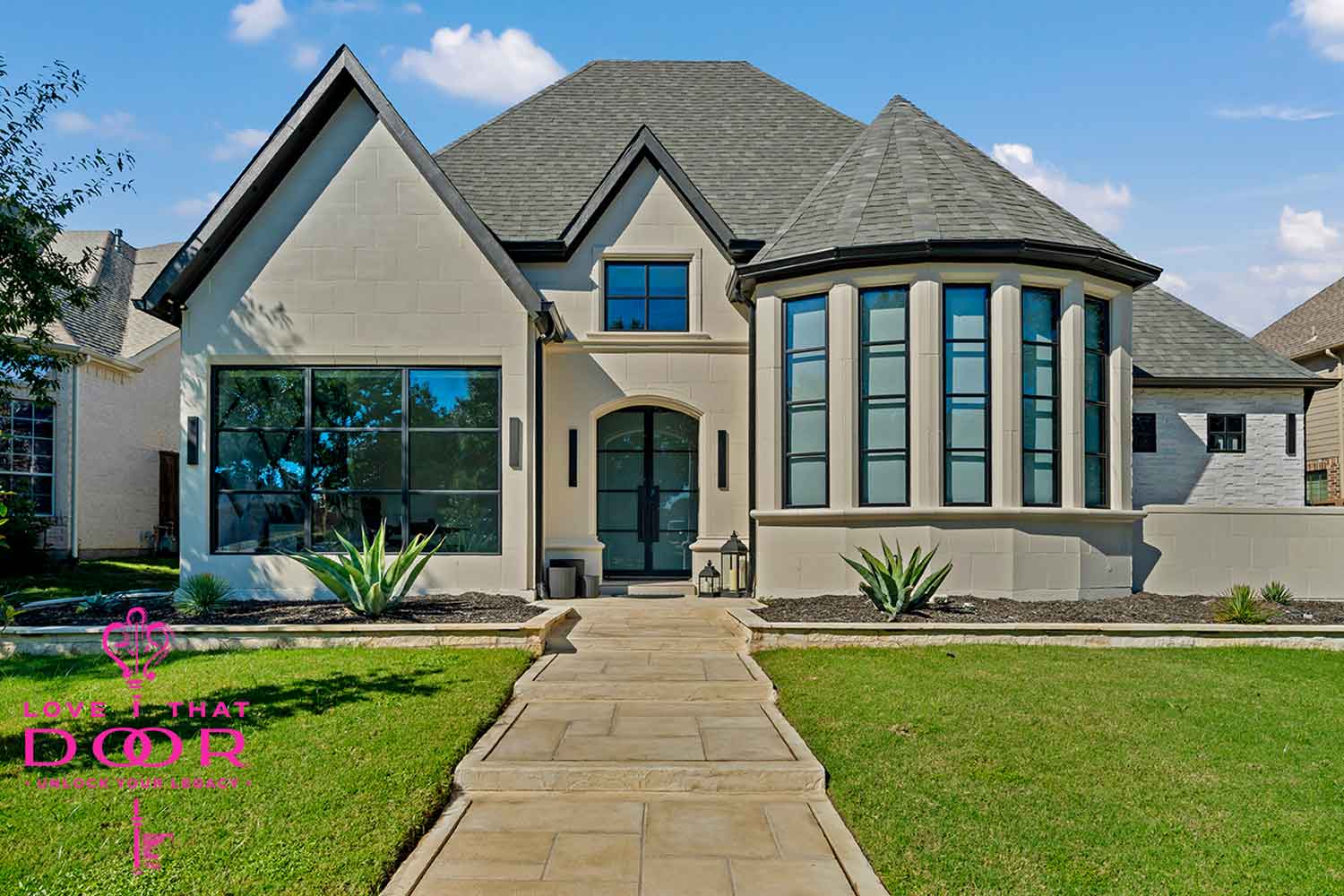
A thermal break is a physical barrier built into the frame that stops heat from traveling straight through the metal. Aluminum conducts heat quickly, so an unbroken frame turns into a cold bridge between the outside air and your home. A thermally broken frame interrupts that path and keeps the interior side closer to room temperature.
- The break is engineered into the extrusion itself as a set of bends that create air gaps inside the frame.
- Those trapped air pockets slow heat transfer instead of letting it rush through solid metal.
- The result is a frame that stays warmer on the inside, even on freezing mornings.
- Less heat loss at the frame means lower heating costs and fewer cold spots near the window.
That is not a polymer fill. The thermal break in our aluminum windows comes from the shape of the aluminum itself, with air gaps doing the insulating work. It is a mechanical design choice that keeps the frame strong while breaking the cold path.
Book your FREE in-home or showroom consultation today—we'll measure your space, explore custom designs, and bring your vision to life!
Get a FREE quote! Share your measurements or a photo of your space, and our design experts will send you a personalized price estimate.
How Much Do Thermally Broken Windows Help in Cold Weather?
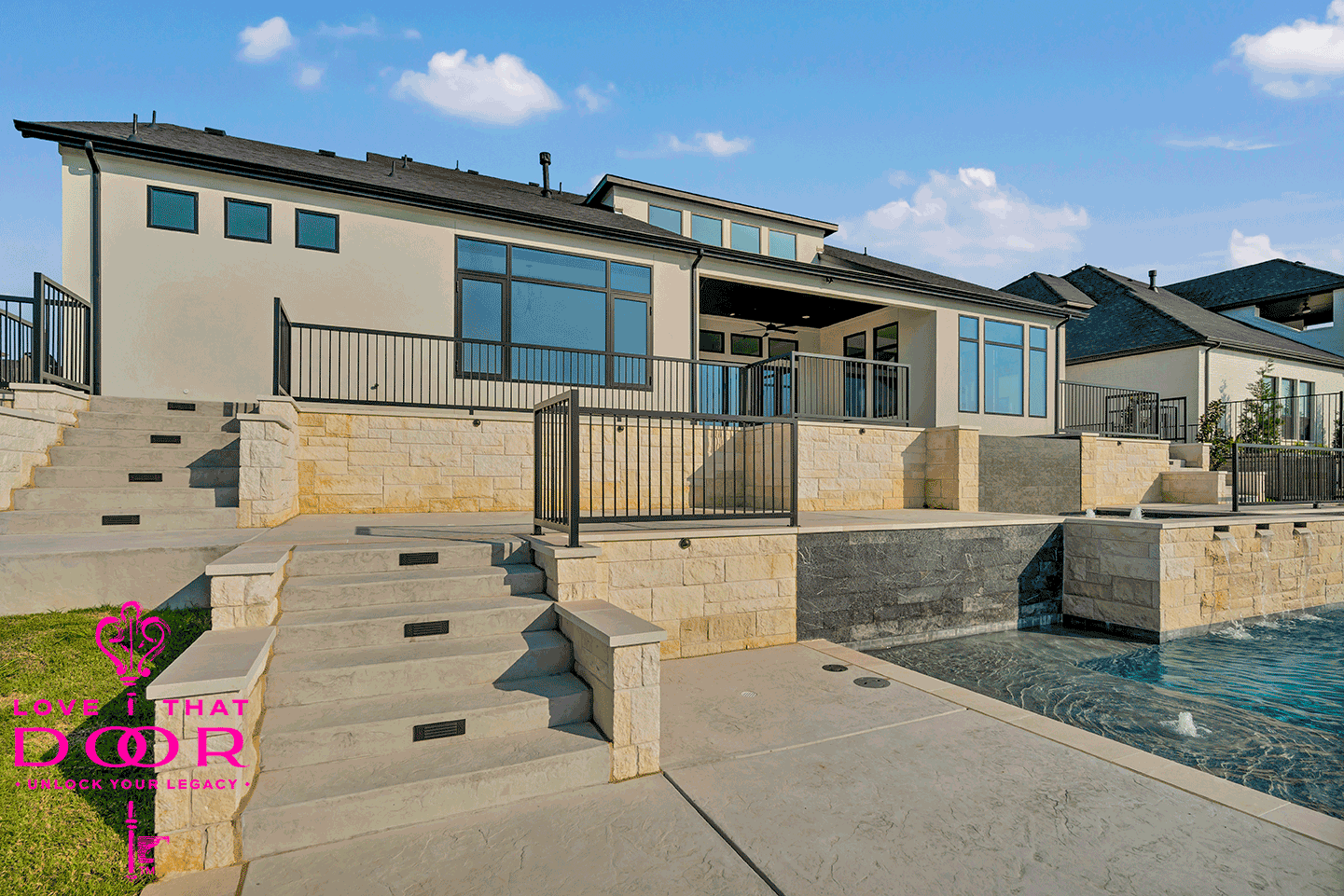
They help at the frame, which is exactly where most window heat loss happens. The glass may be efficient, but a cold frame still pulls heat out of the room and causes condensation. A thermally broken frame attacks that weak point.
- Warmer interior frame surface means less window condensation in winter.
- Fewer drafts mean cold window syndrome disappears near the sill.
- The full window operates closer to its rated performance, not below it.
- Combined with Low-E tempered glass, the whole unit works as one thermal system.
A window is only as efficient as its weakest link. In a cold climate, the frame is often that link. Fixing the frame is what makes thermally broken windows genuinely better for cold weather.
What About Windy Climates?
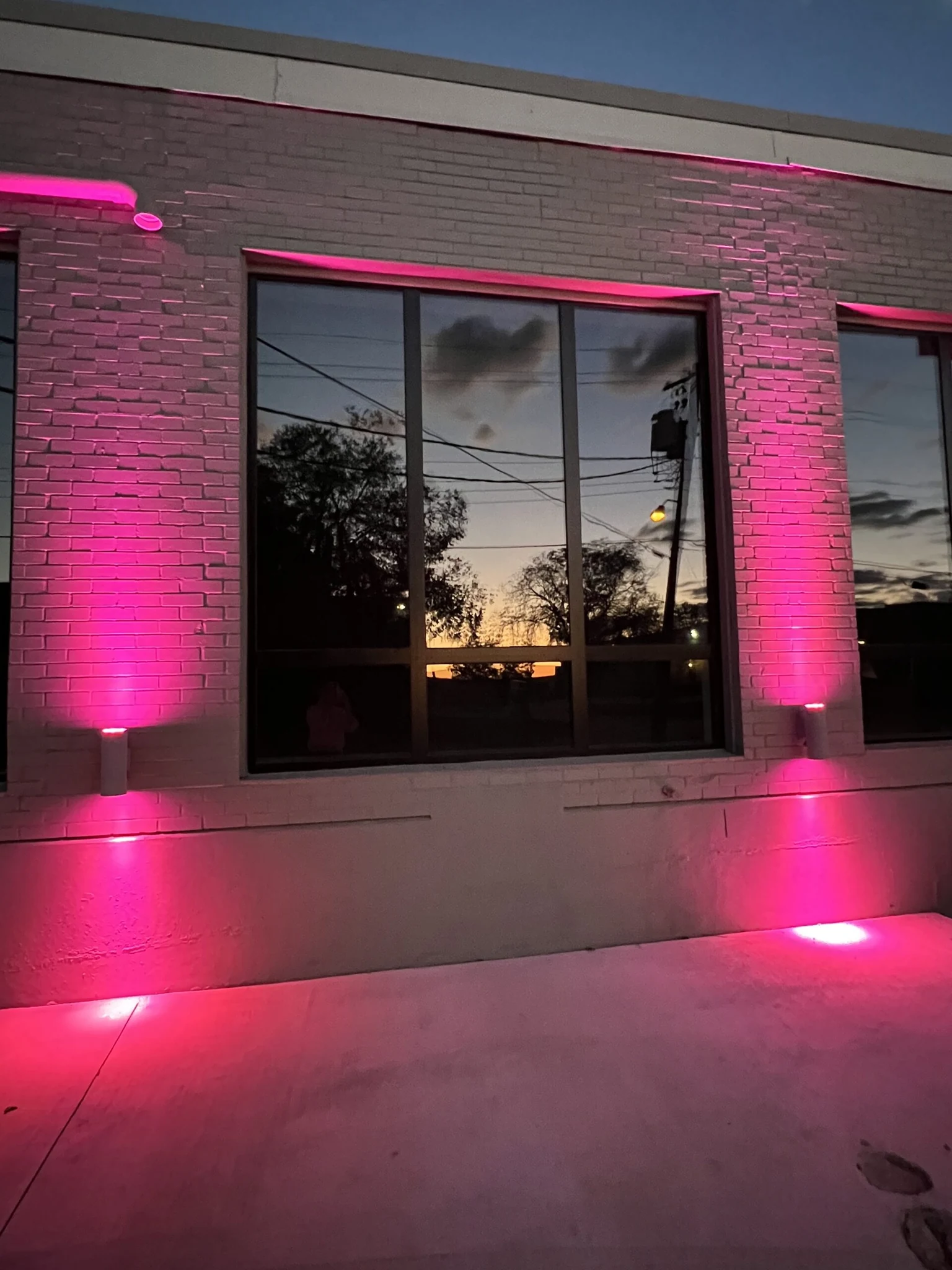
High winds test more than efficiency — they test the seal. A thermally broken window still needs a tight, well-built frame to keep wind from whistling through gaps. Thermal breaking addresses the cold, while frame rigidity addresses the wind.
- Stiff aluminum frames hold their seal in strong gusts.
- The air-gap construction adds rigidity without adding weight.
- Properly installed units keep wind noise and drafts out.
- Thermal insulation and wind resistance work together in one frame design.
For a North Texas home that sees both freezing temps and strong spring winds, you want a frame that handles both. Thermally broken aluminum does, and you can compare the full window construction options before you buy.
Book your FREE in-home or showroom consultation today—we'll measure your space, explore custom designs, and bring your vision to life!
Get a FREE quote! Share your measurements or a photo of your space, and our design experts will send you a personalized price estimate.
Is R-Value the Whole Story?
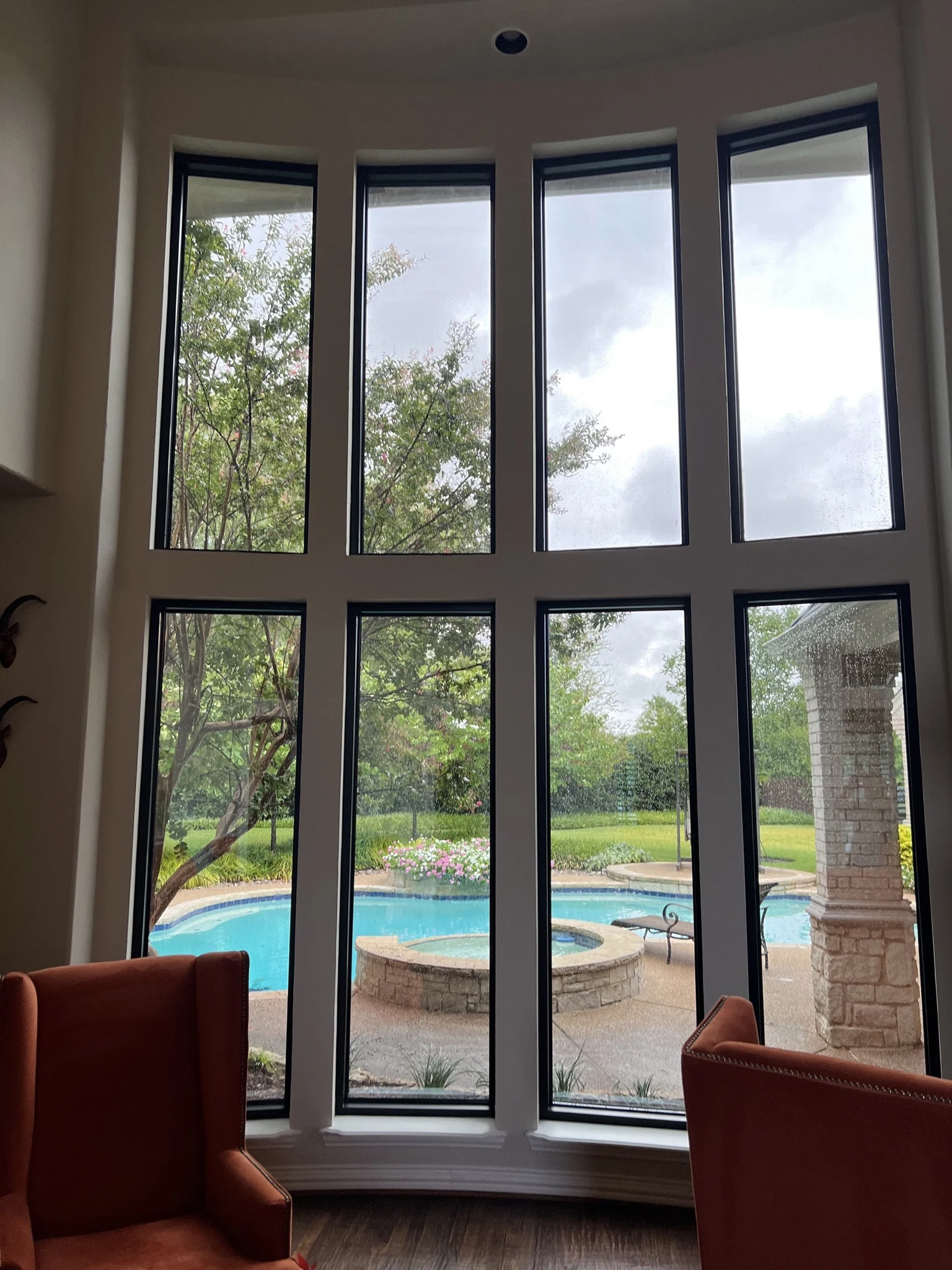
R-value measures how well a material resists heat flow, and higher is better. But a number on paper only counts if the whole window delivers it in the field. A thermally broken frame helps the installed window actually reach its rated R-value instead of falling short because of the frame.
- The glass and the frame both contribute to overall window R-value.
- A cold-bridging frame drags the whole unit’s real performance down.
- Thermal breaks let the frame keep pace with the glazing.
- Look at the total assembly, not just the panes, when comparing windows.
An efficient pane in an inefficient frame is still an inefficient window. That is why frame design matters as much as glazing. We compare frame types side by side in our aluminum window buyers’ guide.
Are Thermally Broken Windows a Good Investment for Texas Homes?
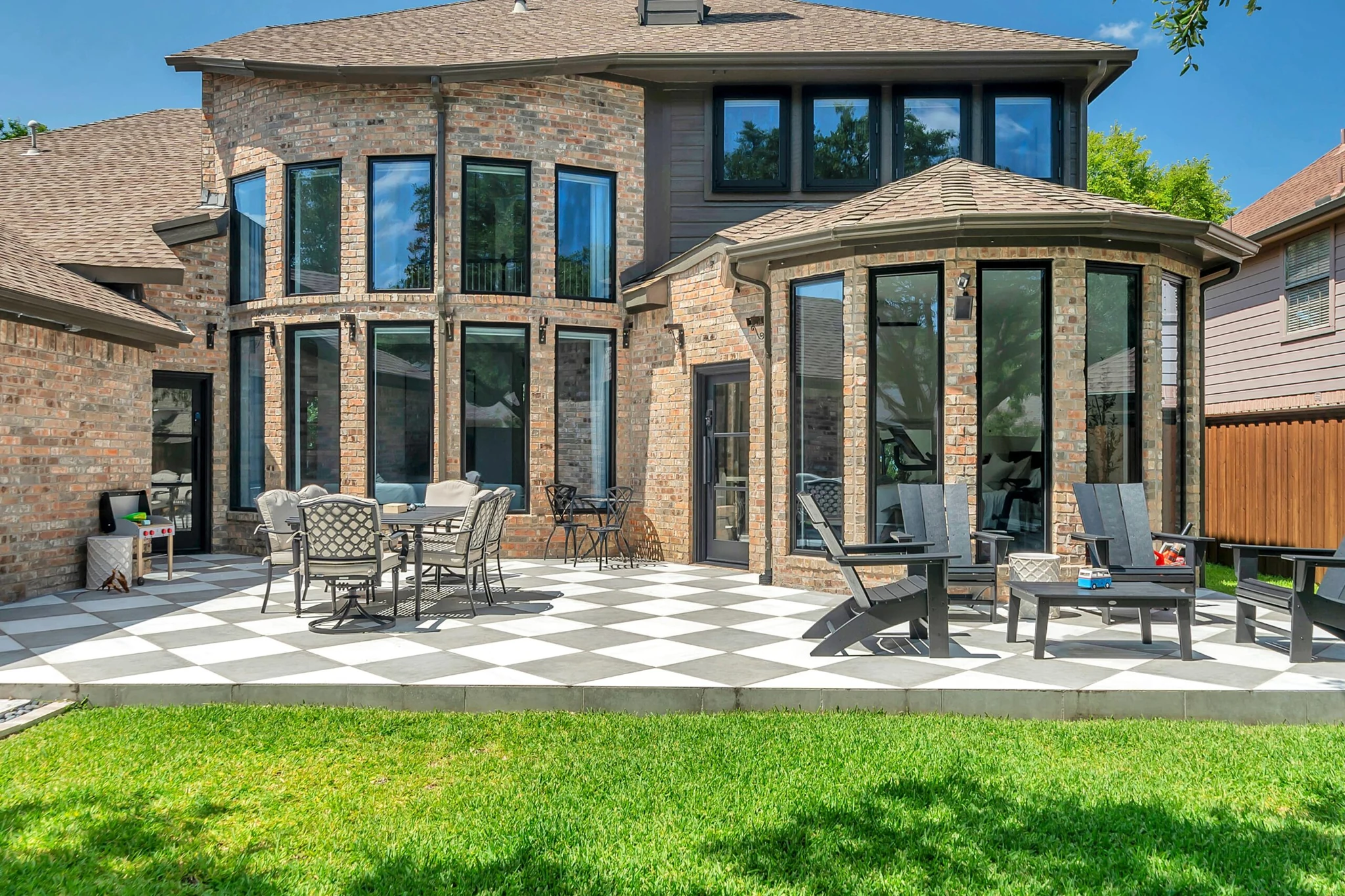
Yes, because Texas swings between hot summers and cold snaps, and your windows face both. Thermally broken frames keep summer heat out and winter cold out, so they pay off across the whole year, not just one season.
- Reduced heat transfer means lower cooling and heating bills.
- Less condensation protects sills and surrounding drywall.
- A quieter interior because the frame helps dampen sound.
- Our aluminum windows use the same engineering as our patio doors, covered in our aluminum patio door buyers’ guide.
We own our factories, so we control every spec, material, process, and quality standard. The windows you get match the exact design we engineer, down to the aluminum extrusion and the hardware.
Why Choose Love That Door Windows?
Love That Door®
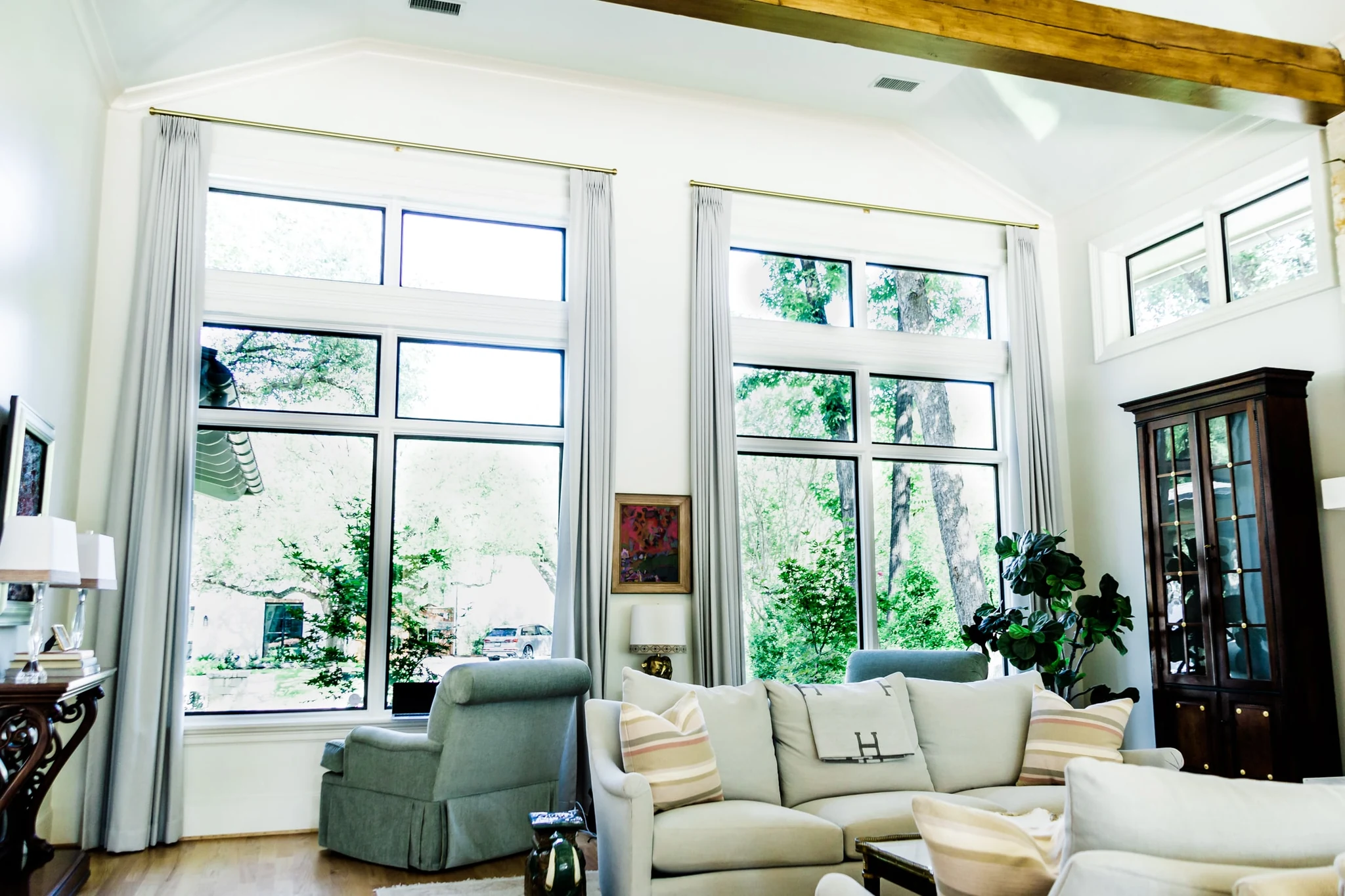
We build and engineer our windows in Texas, not overseas. Every frame starts from 10-gauge cold-rolled steel and our aluminum extrusions, and we back the work with a lifetime warranty on the frame and slab.
- German-engineered hardware on every window for smooth, reliable operation.
- 1-inch argon-filled Low-E tempered double-pane glass as standard.
- Thermally broken frames that work as hard in winter as they do in summer.
- Lifetime warranty on the frame, plus 10-year finish, 5-year glass, and 1-year labor coverage.
- We own our factories, so quality control rests with us, not a distant supplier.
Our windows are built in the same facility and to the same strict standards as our steel entry doors. Read more about the construction in our breakdown of how our aluminum windows are built like our doors.
Call us and we will walk you through the right window for your climate and budget.
Call 214-891-3003.
Expert Insight

From Chad Crenshaw, Founder & Chief Engineer:
“I’ve seen homeowners spend $15,000 on a patio door and get it installed by a handyman with a tube of silicone. That door will fail — not because of the product, but because nobody who understood it was there when it went in. We build the door and we install the door. Same team, same standard.”
Book your FREE in-home or showroom consultation today—we'll measure your space, explore custom designs, and bring your vision to life!
Get a FREE quote! Share your measurements or a photo of your space, and our design experts will send you a personalized price estimate.
Frequently Asked
Questions
01.
Q: Are thermally broken windows actually better for cold climates?
A: Yes. They stop heat from escaping through the frame, reduce condensation, and lower heating costs, which matters most in cold and windy weather.
02.
Q: Is a thermal break a foam or plastic fill?
A: No. In our aluminum windows the break is engineered as bends in the extrusion that create air gaps, not a polymer fill.
03.
Q: Do thermally broken windows reduce noise?
A: They help. The air-gap frame construction and dense glass both dampen outside sound along with blocking heat transfer.
04.
Q: What is a good R-value for a window in Texas?
A: Look at the whole assembly, not a single number. Our standard units pair thermally broken frames with Low-E argon glass for strong year-round performance.
05.
Q: Are thermally broken windows worth the extra cost?
A: For most homes, yes, because they lower energy bills year-round and prevent condensation damage that is expensive to repair later.
Q: Do you install windows across North Texas?
A: Yes. We serve the DFW area, and you can book a free consultation to go over your home’s needs.
Book your FREE in-home or showroom consultation today—we'll measure your space, explore custom designs, and bring your vision to life!
Get a FREE quote! Share your measurements or a photo of your space, and our design experts will send you a personalized price estimate.
Get a free quote
REQUEST A QUOTE
Ready to Elevate Your Home with Custom Doors and Windows?
Fill out your contact details and let our design experts guide you through the process:
- Free in-home consultation tailored to your needs.
- Rough measurements and custom design for a perfect fit.