

Premium Aluminum Windows for Texas Homes — Engineered to Patio Door Standards

Home » Aluminum Windows Buyer’s Guide | Love That Door
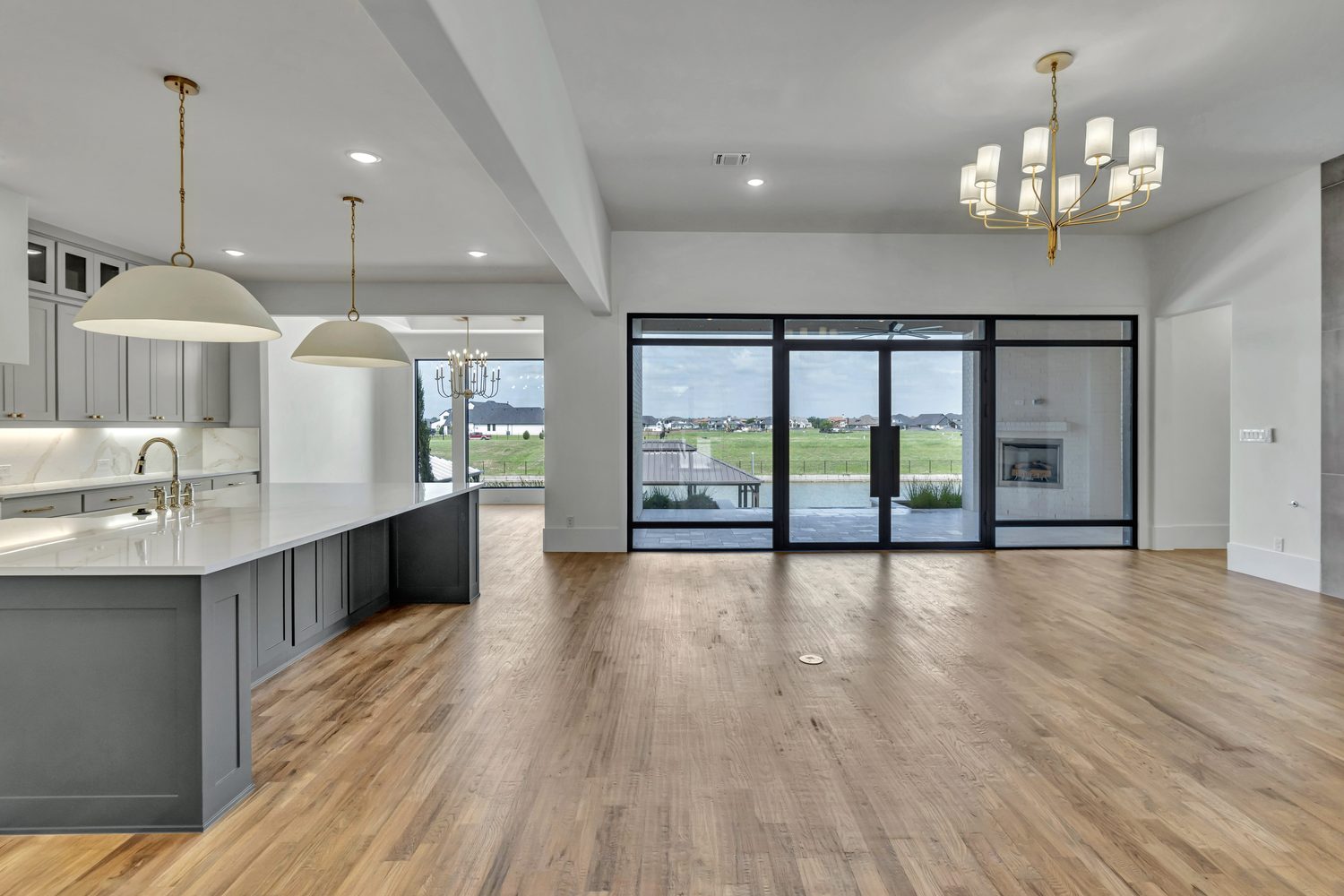
Premium aluminum windows engineered to patio door standards aren’t just a different product category — they’re a different philosophy. At Love That Door, we don’t build windows to be “good enough.” We build them to the same structural, thermal, and hardware specifications as our aluminum patio door systems. Same thermally broken extrusions. Same 1-inch double-pane argon-filled Low-E glass. Same German-engineered hardware. Same testing standards. If you’re investing in a premium door system for your Texas home, your windows should match — not compromise — the engineering investment you’ve already made.
Aluminum Window Guides
Each guide below goes deep on a specific window topic. If you’re choosing aluminum windows for a Texas home, these are worth reading.
What Makes Aluminum Windows Different from Vinyl and Wood
Love That Door®
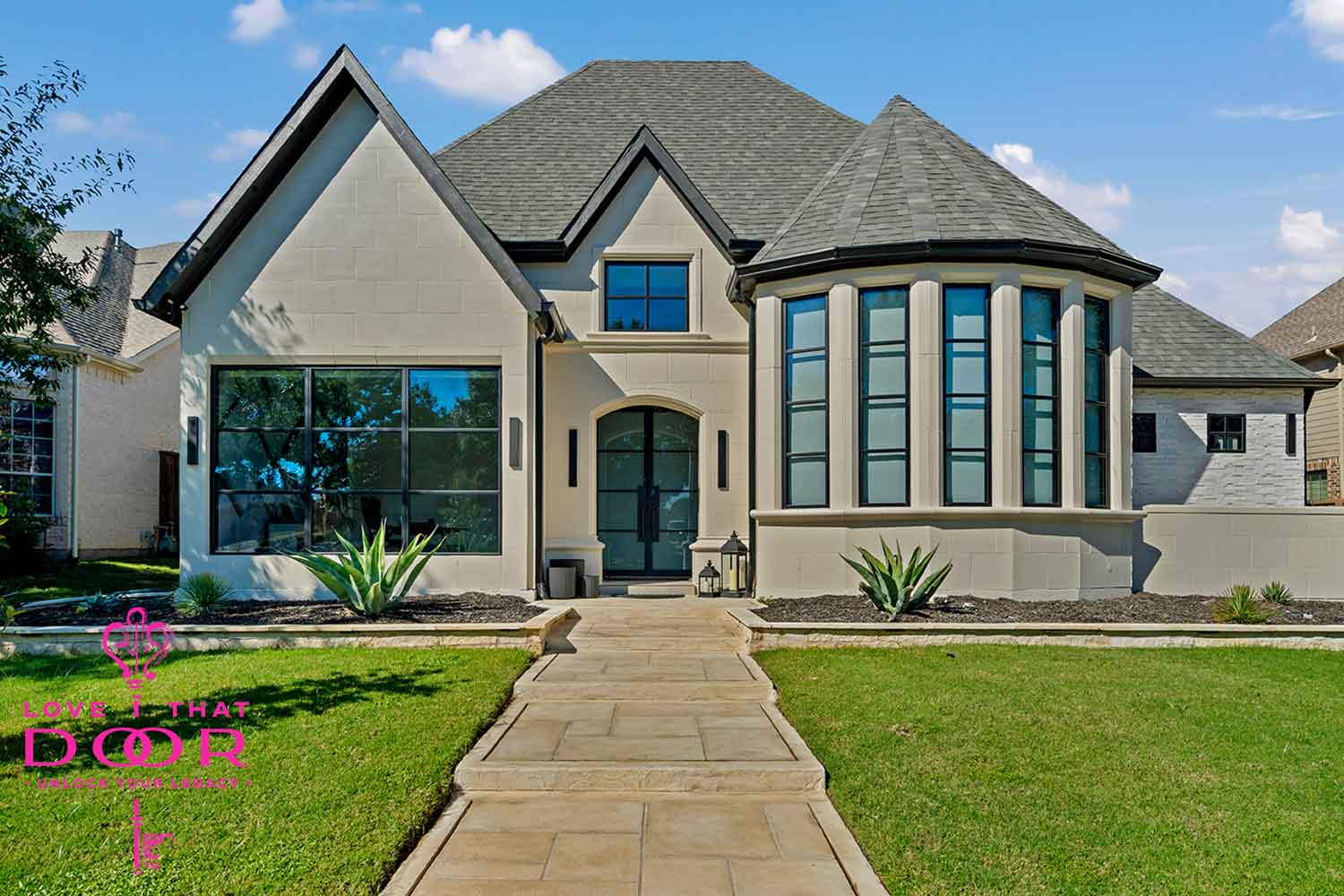
Aluminum, vinyl, and wood windows each have fundamentally different material properties, and those differences determine how they perform in the Texas climate over time.
Aluminum is dimensionally stable. Its coefficient of thermal expansion is approximately 0.000013 inches per inch per degree Fahrenheit — which sounds like a lot, but on a typical window frame, a 70°F temperature swing produces about 0.020 inches of dimensional change. That’s manageable with proper engineering. More importantly, aluminum doesn’t absorb moisture, doesn’t rot, doesn’t swell with humidity, and doesn’t degrade from UV exposure. When thermally broken — a design where the extrusion itself includes an engineered gap that interrupts heat conduction — aluminum delivers thermal performance comparable to premium vinyl or wood while offering dramatically better long-term durability.
Vinyl expands and contracts roughly seven times more than aluminum with temperature changes. In Texas, where a window frame can swing from 25°F on a winter morning to 95°F on a summer afternoon, vinyl’s thermal expansion cycles the frame joints, seal interfaces, and weatherstripping thousands of times over a 5–7 year period. This cycling loosens frame corners, compresses weatherstripping permanently, and degrades the seal between the glass unit and the frame. Vinyl windows that perform well on day one can be measurably worse by year five — not from any manufacturing defect, but from the cumulative effect of material movement that the material itself can’t resist.
Wood windows offer excellent natural insulation and classic aesthetics, but they face a hostile environment in Texas. Humidity absorption causes swelling and paint failure. Thermal cycling combined with moisture cycling creates stress at joints and glazing seals. Sill rot is a persistent issue in any climate where windows see regular condensation or rain exposure. Wood windows require ongoing maintenance — repainting, resealing, joint repair — that aluminum windows simply don’t need.
For Texas homeowners, the material choice ultimately comes down to a trade-off between initial cost (where vinyl wins), maintenance requirements (where aluminum and vinyl both beat wood), and long-term performance stability (where thermally broken aluminum is the clear leader). When you’re pairing windows with premium patio doors, the long-term performance stability of aluminum becomes the deciding factor — because mismatched performance degrades the entire opening system.
Book your FREE in-home or showroom consultation today—we'll measure your space, explore custom designs, and bring your vision to life!
Get a FREE quote! Share your measurements or a photo of your space, and our design experts will send you a personalized price estimate.
Thermally Broken Aluminum Window Frames: Same Extrusion Engineering as Our Patio Doors
Love That Door®

The thermal break is the single most important engineering feature in an aluminum window frame. Without it, aluminum’s high thermal conductivity makes the frame a heat bridge — conducting summer heat directly into your home and winter heat directly out.
In our aluminum windows, the thermal break is achieved through a bend engineered into the extrusion profile itself. The aluminum is shaped so that the interior and exterior portions of the frame are structurally continuous (it’s one piece of aluminum) but thermally separated by a narrow engineered gap that interrupts the heat conduction path. This is fundamentally different from two-piece thermal break designs where a polymer strip is mechanically fastened or adhered between separate interior and exterior aluminum profiles.
The bend-in-extrusion approach matters for three reasons:
- Structural continuity: Because the frame is one piece of aluminum, there’s no adhesive joint or mechanical fastener that can fail from thermal cycling or structural loading. The frame maintains its full structural integrity permanently.
- Thermal performance consistency: The engineered gap is precisely controlled during extrusion — there’s no variation from adhesive thickness, no risk of polymer strip compression, and no thermal performance degradation over time.
- Narrower sightlines: The single-piece design allows for slimmer visible frame widths without sacrificing structural or thermal performance. This is an architectural advantage — more glass, less frame, cleaner lines.
This is the exact same thermal break technology we use in our aluminum patio door systems, and it’s why our windows achieve the same thermal performance as our doors. When a window and a door share a wall in a Texas great room, they should perform identically — not have the window be the thermal weak point.

1-Inch Double-Pane Argon-Filled Low-E Glass Specifications
The glass package accounts for approximately 80% of a window’s surface area, which means it’s the dominant factor in the window’s overall thermal performance. Here’s what goes into every LTD aluminum window glass unit:
1-inch overall insulated glass unit (IGU) thickness: Most residential windows use 5/8-inch or 3/4-inch IGUs. The extra thickness in our 1-inch units translates to a wider air space between the two glass panes. For argon-filled units, the optimal gap width for maximizing insulation (minimizing convection) is approximately 1/2 inch to 5/8 inch. Thinner units physically can’t achieve this optimal gap, which means they can’t achieve optimal U-factor regardless of gas fill or coating quality.
Argon gas fill: Argon is an inert gas that’s denser than air. Inside the sealed cavity between glass panes, argon reduces convective heat transfer — the movement of gas molecules that carries heat from the warm side to the cool side. Argon is non-toxic, non-reactive, and accounts for approximately 1% of the earth’s atmosphere, so it’s a safe, sustainable choice. In a properly manufactured IGU with high-quality edge seals, argon retention exceeds 90% after 20 years.
Low-E (low-emissivity) coating: This is a microscopically thin metallic oxide layer applied to the glass surface. It works by being transparent to visible light but reflective to infrared (heat) radiation. In Texas, the coating is applied to the inside surface of the exterior glass pane (surface #2 in industry terminology). This placement reflects the sun’s radiant heat back outside during summer — reducing solar heat gain — while still allowing beneficial passive solar heating during winter when the sun is lower. The coating also reflects interior heat back into the room during winter, improving the window’s overall insulating value.
The combined effect of these three elements — optimal air space, argon fill, and Low-E coating — produces a window with a center-of-glass U-factor in the range of 0.25 to 0.30 and a solar heat gain coefficient (SHGC) that can be tuned for Texas climate zones. This is the same glass package specification used in our patio doors, ensuring consistent thermal performance across your entire opening system.
For more on how these specifications translate to real-world performance, see our aluminum patio door energy efficiency guide.
Book your FREE in-home or showroom consultation today—we'll measure your space, explore custom designs, and bring your vision to life!
Get a FREE quote! Share your measurements or a photo of your space, and our design experts will send you a personalized price estimate.
German-Engineered Hardware in Operating Windows
Love That Door®
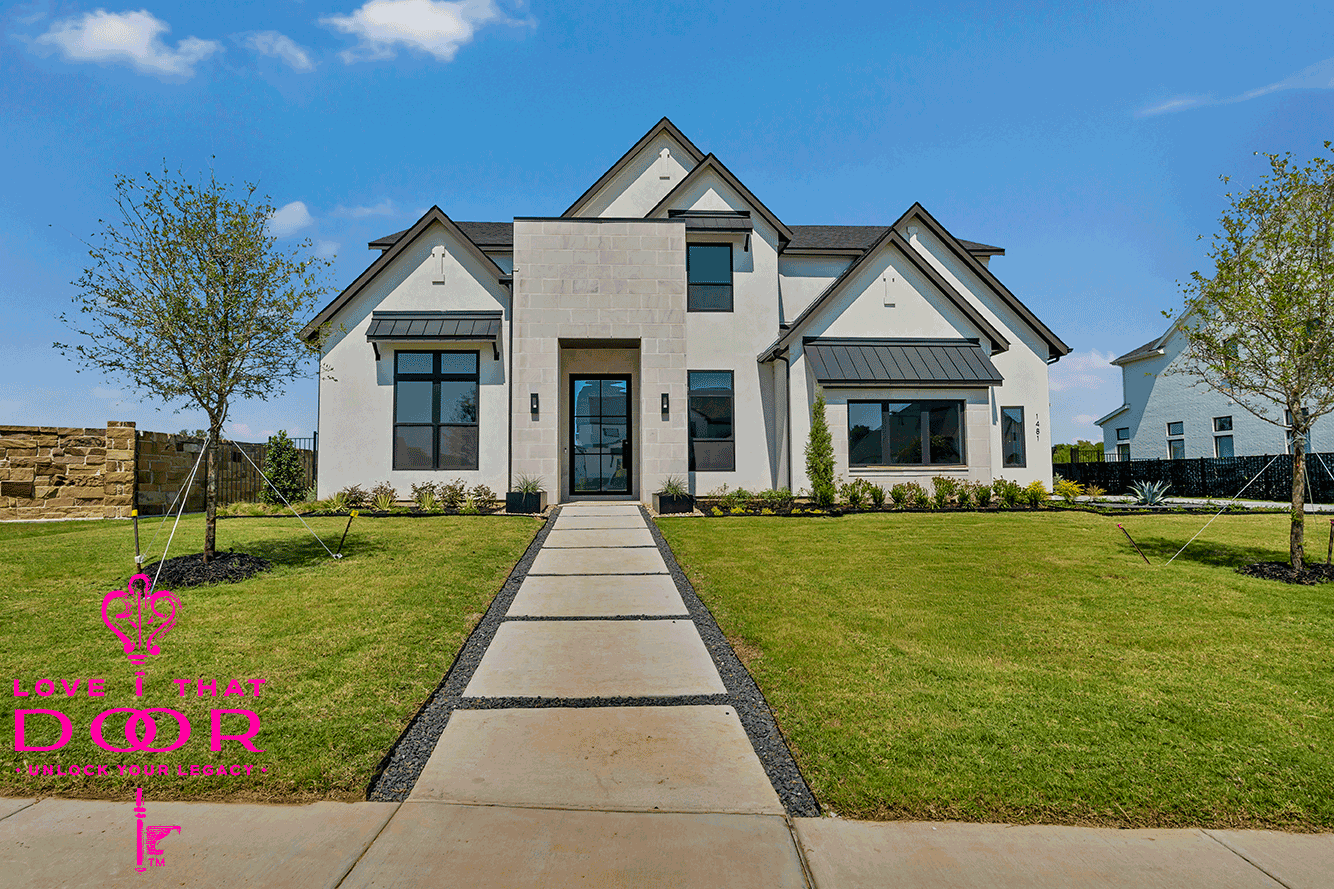
Operating windows — casements, awnings, and tilt-turn styles — are mechanical systems. They have hinges, crank mechanisms, locking points, and sealing interfaces. The quality of the hardware determines whether the window operates smoothly for 20 years or becomes stiff, leaky, and difficult to operate within five.
Our operating windows use German-engineered hardware — precision European mechanisms designed and manufactured to the same engineering standards as our door hardware. The key features include:
Multi-point locking: Rather than a single latch at one point, our operating windows engage locking points around the entire sash perimeter. This distributes the sealing pressure evenly, eliminating the corner gaps that single-point locks create. It also provides forced-entry resistance comparable to our door systems.
Precision crank and linkage mechanisms: Casement and awning window operators use gear-driven mechanisms with machined components rather than stamped parts. The difference is immediately apparent in operation — smooth, consistent resistance through the full range of motion, with no play or slop developing over time.
Duty-cycle engineering: Window hardware is often engineered for residential duty cycles — a few open/close cycles per day, for perhaps 10–15 years before replacement. Our hardware is engineered for the same lifecycle as our door hardware: 20-plus years of daily operation without degradation. The mechanisms, bearings, and sealing interfaces are specified for commercial-duty cycles even though they’re installed in residential applications.
This hardware standard is consistent with the approach we take on our automated patio door systems and bifold door hardware. Every moving component in an LTD opening system — door or window — is engineered to the same standard of precision and durability.
How Windows Integrate with Patio Door Systems for True Indoor-Outdoor Living
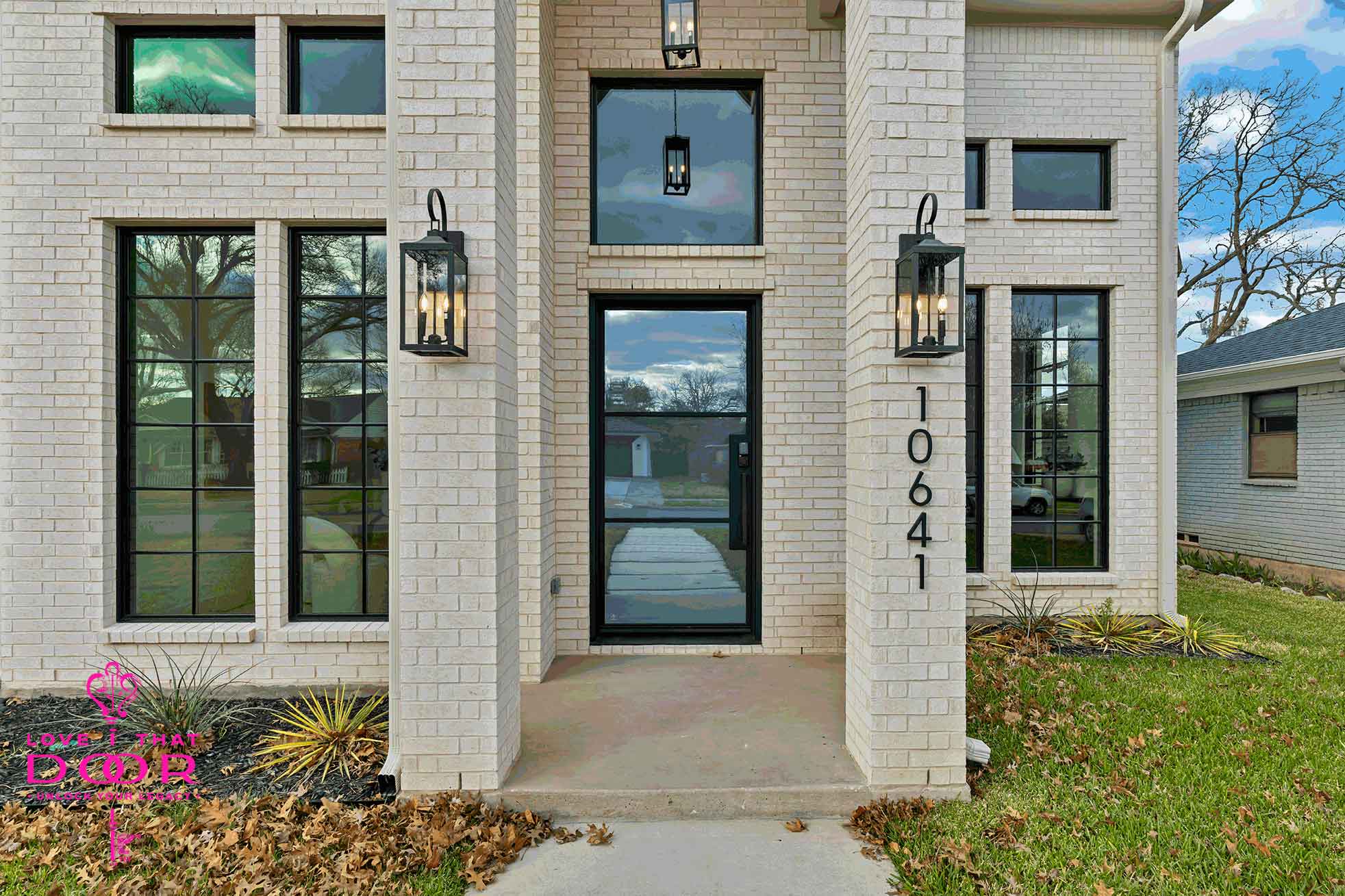
The defining architectural trend in Texas luxury homes is the indoor-outdoor living wall: a multi-slide or bifold patio door system that opens an entire wall to the backyard, flanked by windows that extend the glass line across the rest of the wall.
When these components are engineered by different manufacturers to different standards, the wall doesn’t perform as a system. It performs as a collection of components with mismatched thermal performance, mismatched sightlines, and mismatched durability.
LTD windows are designed from the start to integrate with LTD door systems at every level:
Visual integration: Our window frames share the same profile families as our door frames. The visible aluminum width — the sightline you see from inside looking at the frame edge — matches between windows and doors. This creates architectural continuity rather than the visual chop that occurs when different frame systems meet at the wall. Finish colors and textures are identical because they’re applied using the same process in the same facility.
Thermal integration: The same thermally broken extrusion technology, same 1-inch glass package, same Low-E coating specification. The U-factor and SHGC of the windows match the doors. There are no hot spots on the wall where a lower-performing window creates a thermal weak point that your HVAC system has to fight.
Structural integration: Windows and doors in the same wall experience the same wind loads, the same driving rain, the same thermal stress. Our windows are tested to the same air infiltration, water penetration, and structural load standards as our doors — because the physics doesn’t distinguish between “window opening” and “door opening” when a thunderstorm hits. Our full testing protocol is detailed on our aluminum patio door testing standards page.
Energy Efficiency Benefits in the Texas Climate
Love That Door®

Texas energy codes (based on the IECC) divide the state into climate zones 2 and 3, with specific U-factor and SHGC requirements for fenestration. But code compliance is the floor — not the ceiling — for energy performance.
The real energy efficiency question for Texas homeowners is: how does this window perform in a climate where air conditioning runs 8–10 months per year, where summer afternoon temperatures routinely exceed 100°F, and where solar radiation is intense?
Thermally broken aluminum windows with Low-E glass address Texas energy challenges through multiple mechanisms:
- Solar heat gain control: The Low-E coating reflects a significant portion of solar infrared radiation before it enters the home, reducing cooling load. This is the single most important energy performance factor for Texas windows.
- Conductive heat resistance: The thermal break in the frame and the argon fill in the glass cavity both resist conductive heat transfer — the movement of heat from the hot exterior to the cool interior through the window materials themselves.
- Air infiltration control: Multi-point locking and precision-engineered weatherstripping minimize air leakage, which in Texas is primarily a humidity infiltration concern. Uncontrolled air leakage brings humid outdoor air into air-conditioned space, forcing the HVAC system to handle both sensible cooling and latent (dehumidification) load.
A wall of thermally broken aluminum windows paired with matching doors creates a building envelope component that performs consistently, predictably, and durably — which is what energy efficiency actually means in practice, as opposed to a laboratory U-factor number that degrades as the window ages.
Design Options: Fixed, Casement, Awning, and Picture Windows
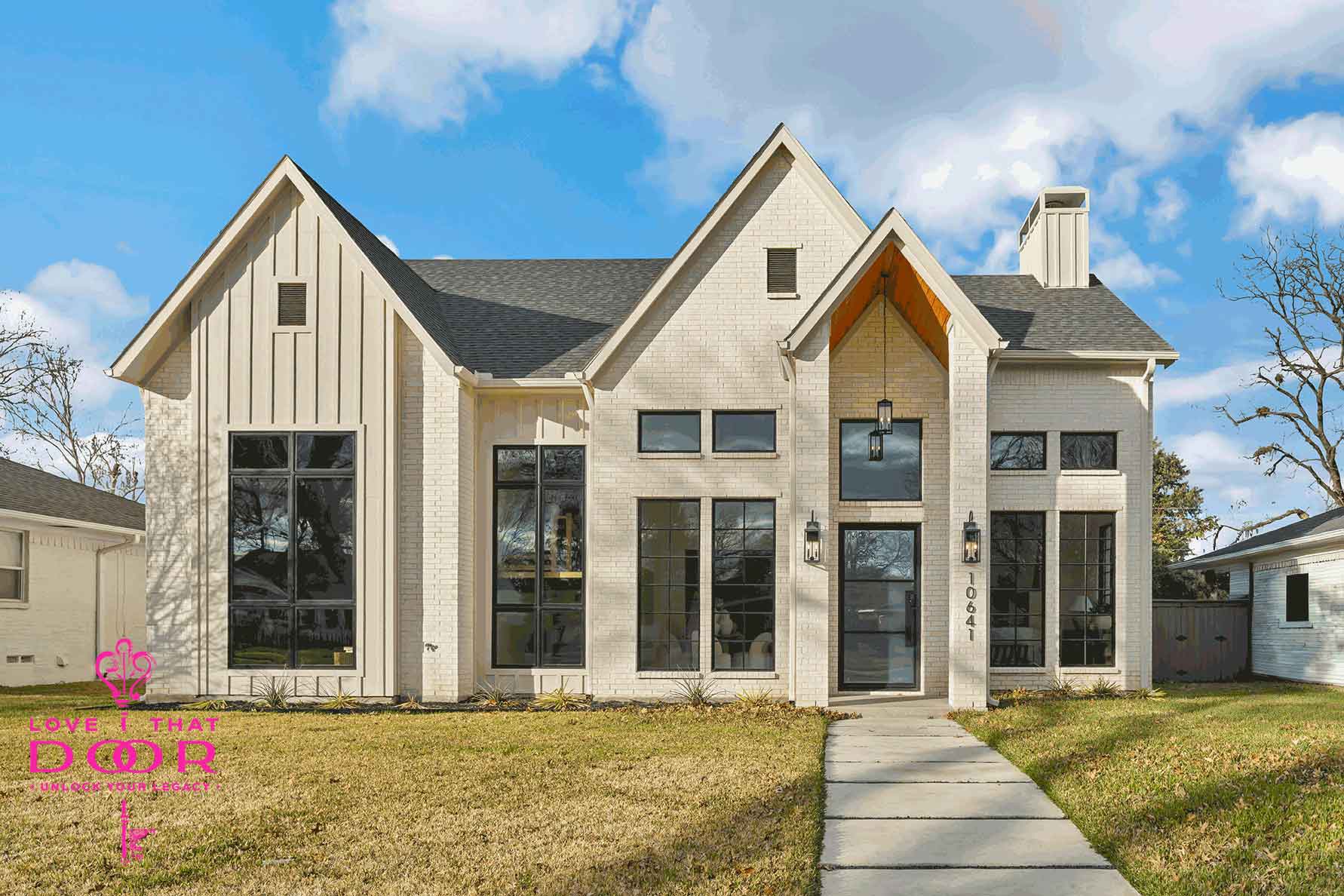
Our aluminum window line covers the full range of operating and fixed styles needed for Texas residential architecture:
Fixed (picture) windows: Non-operating windows designed for maximum glass area and minimal frame visibility. Fixed windows can be engineered for large-format applications — floor-to-ceiling panels, transom-level glazing, and wide horizontal formats that maximize views. Because there are no operating mechanisms, fixed windows offer the narrowest sightlines and the highest energy performance in the lineup.
Casement windows: Hinged at the side and operated by a crank mechanism that swings the sash outward. Casements provide the best ventilation of any window style because the entire sash opening area is available for airflow. Our German-engineered crank and linkage hardware provides smooth operation and multi-point locking around the entire sash perimeter. Casements are ideal for hard-to-reach locations (over kitchen counters, in stairwells) where a crank is easier to operate than a sliding sash.
Awning windows: Hinged at the top and operated by a crank that pushes the bottom of the sash outward. Awnings have a unique advantage in Texas: they can be left open during light rain because the outward-angled sash sheds water away from the opening. They’re excellent for ventilation in bathrooms, kitchens, and laundry rooms where humidity control matters.
Custom configurations: We can combine fixed and operating windows into multi-panel assemblies — for example, a central fixed picture window flanked by operating casements, or a ribbon of awning windows above a multi-slide door system. Because all styles share the same frame profiles, any combination maintains consistent sightlines and thermal performance.
Every style is available in our full range of finish colors and can be configured with the same glass options, hardware finishes, and screen specifications.
A Window Built to Door Standards
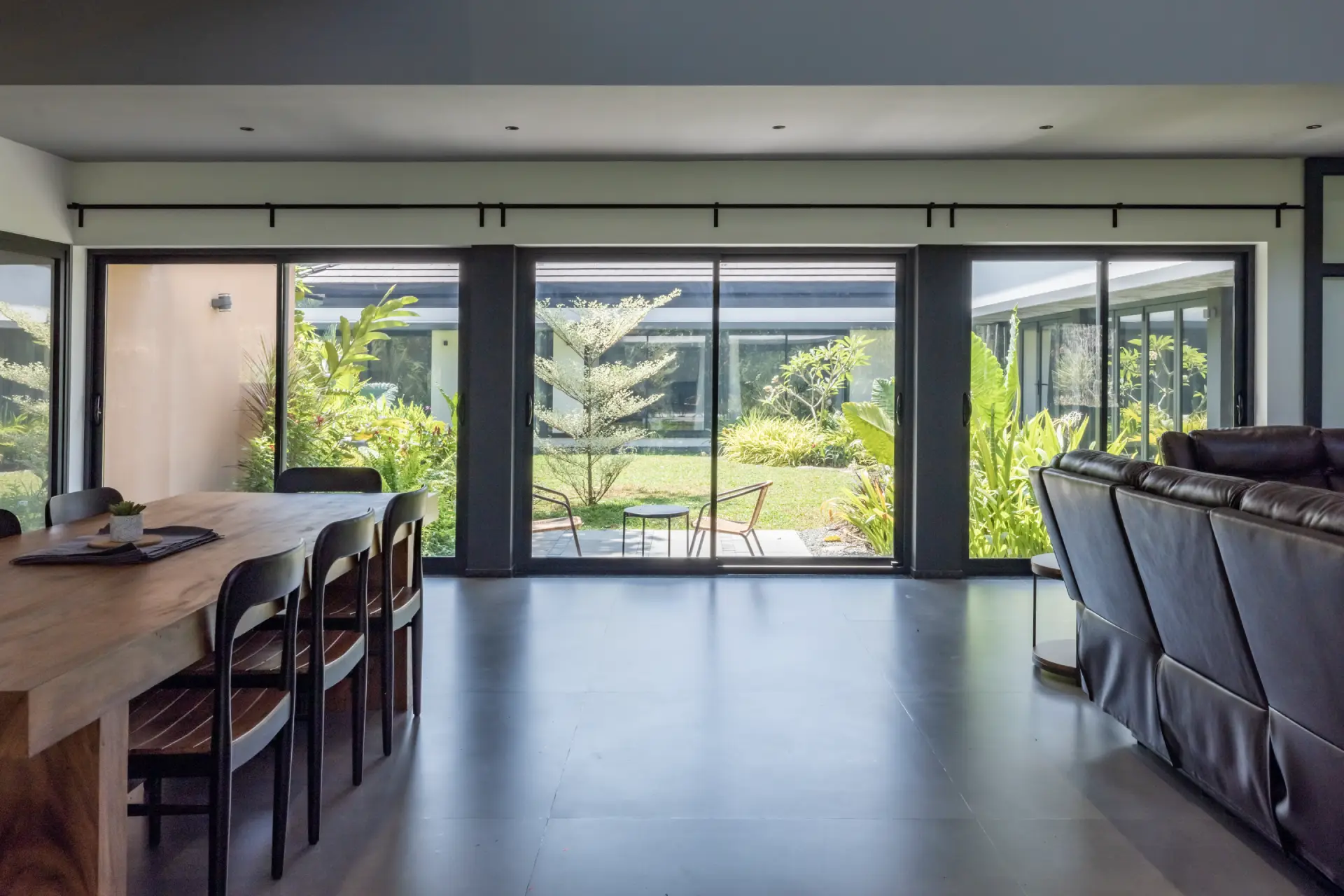
The window industry has trained homeowners to accept a lower standard for windows than they would for doors. Different materials. Different glass. Different hardware. Different testing. Different lifespan.
We rejected that premise. Our aluminum windows are engineered, manufactured, and tested to the same standards as our patio doors because they share the same walls, face the same conditions, and have to perform for the same decades-long service life.
If you’re planning a project that includes LTD doors — or if you simply want windows that don’t become the weak link in your home’s performance envelope — let’s talk about what your opening system needs.
Schedule your free consultation and let’s design windows and doors that work together, not against each other.
Book your FREE in-home or showroom consultation today—we'll measure your space, explore custom designs, and bring your vision to life!
Get a FREE quote! Share your measurements or a photo of your space, and our design experts will send you a personalized price estimate.
Frequently Asked
Questions
01.
Q: Are aluminum windows good for Texas homes?
A: Yes — modern thermally broken aluminum windows are excellent for Texas homes. The thermal break (an engineered gap in the extrusion that interrupts heat conduction) eliminates the heat-transfer problem that plagued old-school aluminum windows. Combined with 1-inch double-pane argon-filled Low-E glass, thermally broken aluminum windows achieve U-factors and solar heat gain coefficients that meet or exceed Texas energy code requirements. Aluminum’s dimensional stability — it doesn’t warp, swell, rot, or undergo the thermal cycling degradation that affects vinyl — makes it particularly well-suited to the Texas climate’s temperature extremes.
02.
Q: How do aluminum windows compare to vinyl windows in Texas?
A: Aluminum windows offer three key advantages over vinyl in Texas: (1) Dimensional stability — aluminum expands and contracts approximately seven times less than vinyl with temperature changes, which means the frame joints, seals, and weatherstripping maintain their integrity far longer. (2) Narrower sightlines — aluminum’s strength allows slimmer frame profiles, which means more glass area and better views. (3) Finish durability — aluminum accepts high-performance paint finishes that resist the UV degradation that causes vinyl to chalk and discolor over time. The trade-off is initial cost (aluminum is more expensive than vinyl), but the long-term performance and aesthetic advantages typically justify the investment for premium residential projects.
03.
Q: What makes LTD aluminum windows different from off-the-shelf aluminum windows?
A: LTD aluminum windows are built to the same engineering standards as our patio door systems. This means: thermally broken aluminum extrusions where the thermal break is engineered into the bend of the extrusion itself (not a polymer strip insert); 1-inch double-pane argon-filled Low-E insulated glass (the same glass package as our doors, not a thinner or lower-spec alternative); German-engineered multi-point locking hardware for operating windows; and testing to the same air infiltration, water penetration, and structural load standards as our doors. Off-the-shelf aluminum windows typically use thinner glass packages, simpler thermal break designs, lower-grade hardware, and separate (less rigorous) testing standards.
04.
Q: What glass package do LTD aluminum windows use?
A: All LTD aluminum windows use 1-inch overall insulated glass units — double-pane construction with argon gas fill and Low-E coating. The 1-inch thickness provides an optimal air space between the glass panes that maximizes argon’s insulating properties. The Low-E coating (applied to the inside surface of the exterior pane, or surface #2) reflects solar infrared heat back outside during Texas summers while allowing visible light transmission. This is the identical glass specification used in our aluminum patio doors — no separate, lower-tier glass for windows.
05.
Q: Can aluminum windows integrate visually with aluminum patio doors?
A: Yes — LTD aluminum windows share the same frame profile families as our patio door systems, which means the visible aluminum width (sightline) matches between windows and doors. Finishes are identical because they’re applied using the same process in the same facility. This creates architectural continuity across the entire opening wall — no mismatched frame widths, color variations, or profile differences between doors and adjacent windows. For indoor-outdoor living spaces where a multi-slide or bifold door system is flanked by windows, this integration is essential to achieving a clean, cohesive architectural result.
06.
Q: Are LTD aluminum windows energy efficient enough for Texas summers?
A: Yes. Our thermally broken aluminum windows with 1-inch Low-E argon-filled glass deliver energy performance that meets or exceeds Texas energy code requirements. The thermal break interrupts conductive heat transfer through the frame, the argon fill minimizes convective heat transfer between glass panes, and the Low-E coating reflects solar infrared radiation. The combination produces a center-of-glass U-factor in the 0.25–0.30 range and an SHGC tuned for Texas climate zones. Critically, this performance is stable over time — unlike vinyl windows that lose seal integrity and thermal performance as their frames cycle through Texas temperature extremes.
07.
Q: What styles of aluminum windows does LTD offer?
A: We offer fixed (picture) windows, casement windows, awning windows, and custom multi-panel configurations combining operating and fixed units. Fixed windows can be engineered for large-format applications. Casement windows use German-engineered crank mechanisms with multi-point perimeter locking. Awning windows are hinged at the top and can be left open during light rain. All styles share the same frame profiles, glass packages, finish options, and hardware quality — so mixed-style assemblies maintain consistent sightlines and performance.
Book your FREE in-home or showroom consultation today—we'll measure your space, explore custom designs, and bring your vision to life!
Get a FREE quote! Share your measurements or a photo of your space, and our design experts will send you a personalized price estimate.
Get a free quote
REQUEST A QUOTE
Ready to Elevate Your Home with Custom Doors and Windows?
Fill out your contact details and let our design experts guide you through the process:
- Free in-home consultation tailored to your needs.
- Rough measurements and custom design for a perfect fit.