

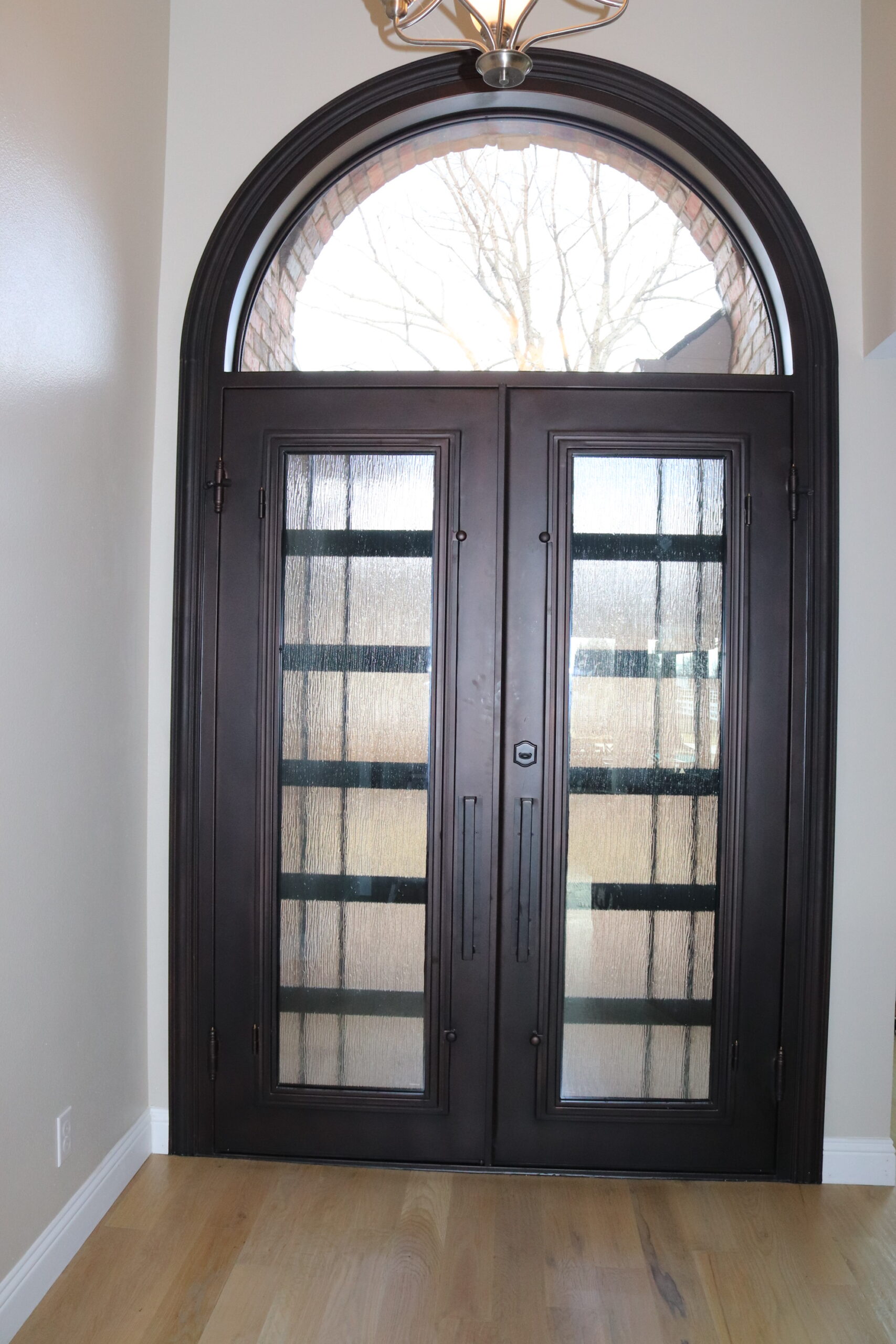
For years, entry doors were treated as a final selection, something chosen after the house was designed, framed, and nearly complete. Today, that mindset is changing. In modern architecture, the entry door is no longer a finish detail. It’s a design decision that influences the entire exterior.
Here’s why entry doors are now considered a core architectural element, not an afterthought.
Modern Homes Start With Strong Openings
Architecture is defined by openings, how a structure invites people in, frames light, and creates transitions. Entry doors sit at the center of that experience.
When doors are designed intentionally, they:
- Anchor the façade
- Establish visual rhythm
- Reinforce scale and proportion
- Create a clear sense of arrival
The door becomes part of the structure, not something applied to it later.
Pull Quote:
“Great architecture isn’t finished with a door, it’s shaped by it.”
Why Standard Doors Fall Short in Architectural Design
Mass-produced doors are built for convenience, not architecture. They’re designed to fit “most” openings, which often leads to compromises in proportion and alignment.
In contrast, custom entry doors allow:
- Precise sizing
- Balanced relationships with windows
- Clean transitions between materials
- Stronger architectural intent
This is why architects and builders increasingly specify custom steel doors and aluminum door systems early in the design process.
https://www.lovethatdoor.com/aluminum-bifold-doors/
Material Choice Shapes the Architectural Language
Different materials communicate different things.
- Steel doors express strength, permanence, and structure
- Aluminum doors emphasize lightness, openness, and modernity
Used correctly, these materials support the architectural language of the home, whether it’s modern, transitional, or contemporary.
The door doesn’t need decoration when the material itself does the work.
Entry Doors and the Flow of Light
Architectural openings aren’t just about access, they’re about light.
Modern entry doors often include glass in ways that:
- Brighten interior spaces
- Create visual continuity
- Connect inside and outside without exposure
When paired with energy-efficient windows, the entry door becomes part of a larger lighting strategy rather than a visual interruption.
Why Builders and Designers Are Thinking System, Not Product
The most successful projects don’t treat doors, windows, and openings as separate decisions.
Instead, they think in systems:
- How doors align with windows
- How materials repeat across the façade
- How openings guide movement and sightlines
This approach leads to homes that feel cohesive, intentional, and timeless.
Pull Quote:
“The best entry doors don’t stand alone. they belong to a system.”
The Shift Toward Entryway Design Authority
As entry doors become more architectural, homeowners and builders are looking for specialists, not catalogs.
Authority in this space means:
- Understanding architecture, not just products
- Guiding material and proportion decisions
- Helping entryways feel resolved, not rushed
This shift is redefining how entry doors are selected and specified.
Final Thoughts
Entry doors are no longer just functional components. They’re architectural elements that shape how a home is seen, entered, and experienced.
When treated with the same care as windows, structure, and materials, the entry door becomes a defining feature, one that elevates the entire project.
At Love That Door® , we approach entryways as part of architecture itself, helping create openings that feel intentional, balanced, and built to belong.
Explore Your Options
If you’re designing a home or refining an architectural concept and want an entry system that works as part of the structure.
Explore Your Options or Request a Free Consultation at lovethatdoor.com