

Wind, Water & Impact: How Aluminum Patio Doors Are Tested

Aluminum Buyer’s Guide
Wind, Water & Impact
Love That Door®
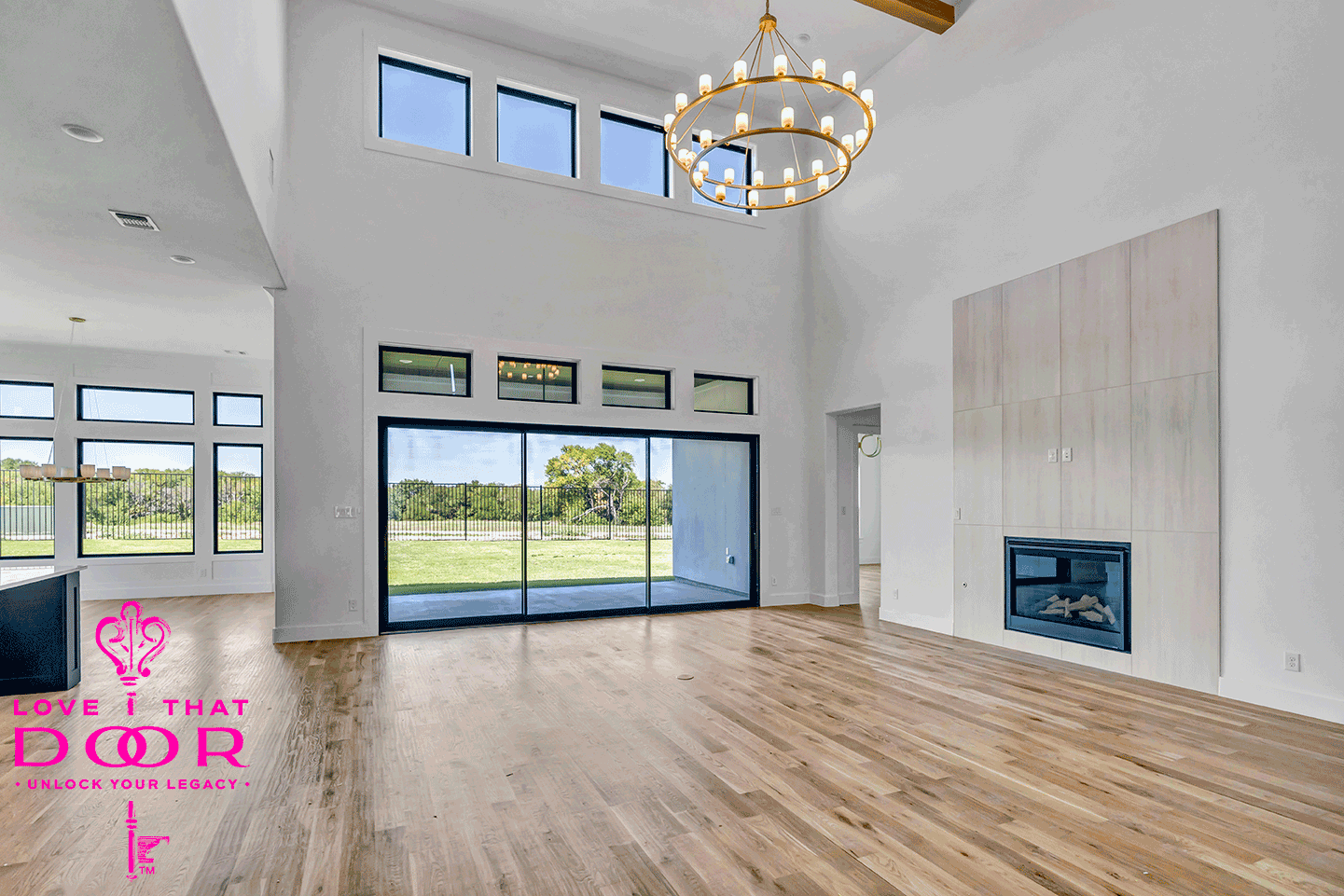
A patio door is the largest opening in your home’s exterior.
It faces rain, wind, hail, temperature extremes, and the occasional shoulder from someone carrying groceries.
If it wasn’t tested for those conditions, you’re hoping — not knowing — that it’ll hold up.
Here’s how premium aluminum patio doors are tested, what the ratings mean, and why testing standards should be part of your buying decision.
This guide covers everything you need to know before investing in aluminum patio doors in the Dallas-Fort Worth area — the three main systems, how they differ, what to look for in construction quality, and what separates a premium door from an expensive mistake.
Wind Pressure Testing
Love That Door®

Wind pressure testing measures how much force a door can withstand before the frame deflects, the seals break, or the panels fail.
The test applies positive pressure (wind pushing against the door) and negative pressure (wind pulling it outward, which happens during storms when wind wraps around a structure).
The door is mounted in a test frame and subjected to increasing pressure until it reaches its rated capacity.
What to look for:
- Rated wind pressure in PSF (pounds per square foot) or Pascals
- Both positive and negative pressure ratings
- Whether the rating applies to the complete assembly or just the frame
In North Texas, straight-line winds from thunderstorms regularly exceed 60 mph.
Microbursts and severe storms can produce localized winds over 80 mph.
Your patio door needs to handle these forces without deflection, seal failure, or operational problems afterward.
Water Infiltration Testing
Love That Door®
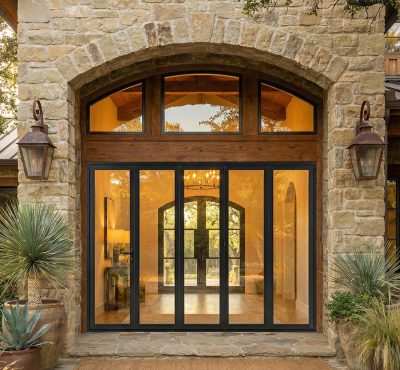
Water testing simulates driving rain — pressurized water hitting the door while wind pushes against it.
The test measures at what pressure water begins to penetrate the seals, frame joints, or threshold.
This is where cheap doors fail first.
Driving rain in a DFW thunderstorm combines heavy precipitation with wind gusts. If your door’s seals, drainage channels, and threshold aren’t engineered for this combination, water gets in.
Key design features that prevent water infiltration:
- EPDM gasket perimeter sealing — maintains compression and elasticity across temperature extremes, unlike foam or rubber that dries out and cracks
- Multi-point locking — compresses the door against the seals evenly, not just at the handle
- Integrated track drainage — water that reaches the track needs a path out, not into your subfloor
- Threshold design — a properly engineered threshold routes water to the exterior; a flat threshold pools it
Love That Door® aluminum systems use EPDM gaskets around the full perimeter, multi-point locking at every engagement point, and a thermally broken threshold system with integrated drainage.
Water management is engineered into the system — not addressed with a bead of silicone after installation.
Book your FREE in-home or showroom consultation today—we'll measure your space, explore custom designs, and bring your vision to life!
Get a FREE quote! Share your measurements or a photo of your space, and our design experts will send you a personalized price estimate.
Aluminum Buyer’s Guide
Burglar Resistance and Security Testing
Love That Door®
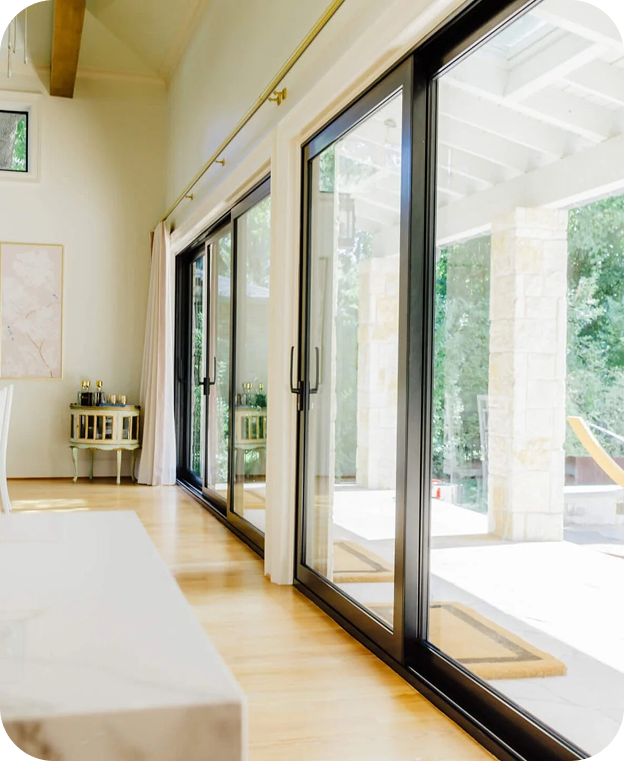
Patio doors are the most common forced entry point for residential break-ins.
A large glass panel next to an unlocked latch is an invitation.
Security testing for doors follows standards like DIN EN 1627, which classifies resistance levels from RC 1 (basic) through RC 6 (high security).
The test subjects the door to manual attack with tools — prying, drilling, sawing — for a specified time.
Love That Door® hardware includes anti-lift burglar protection certified to RC 2-3 under DIN EN 1627. This means:
- Anti-lift bolts extend automatically when the door is lowered and locked, preventing the sash from being pried up
- The air gap between sash and frame is virtually eliminated, removing the space an intruder would use to insert tools
- Multi-point locking engages bolts at multiple locations, not just the handle
RC 2-3 protection is a significant standard.
It means the door resisted sustained, knowledgeable attack with standard tools. This isn’t a deadbolt on a glass door. It’s a system-level security approach.
Love That Door® also offers iron and steel entry doors with even higher security ratings for front entries.
Thermal Performance Testing
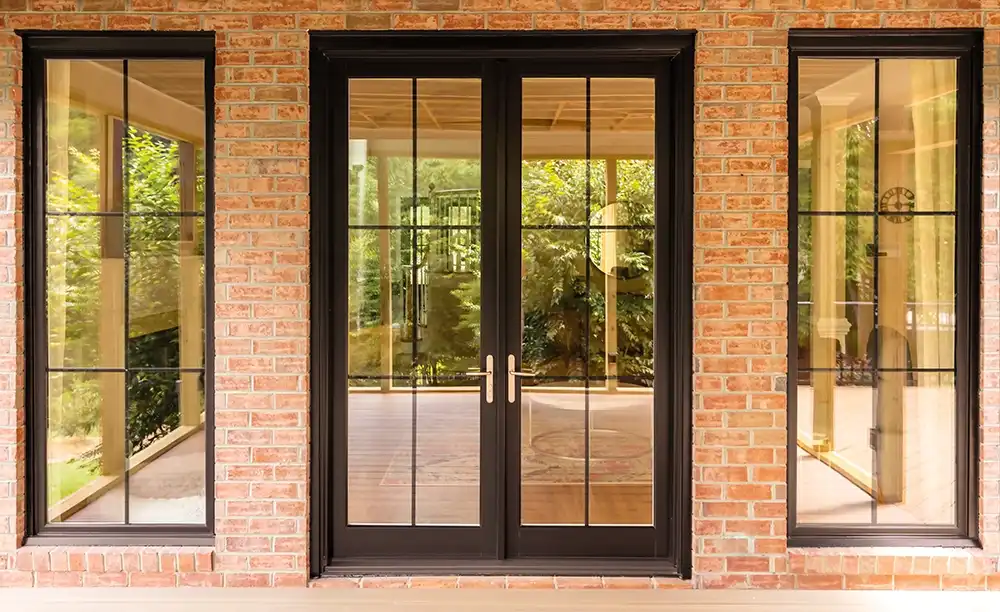
Thermal testing measures heat transfer through the complete door assembly — frame, glass, threshold, and seals.
The standard measurement is U-value (W/m²K), where lower numbers mean less heat transfer.
The test places the door between two chambers — one simulating exterior conditions, the other interior. Sensors measure surface temperatures across the entire assembly to identify cold bridges.
Love That Door® threshold testing results:
- Exterior test temperature: -15°C (5°F)
- Interior reference temperature: +20°C (68°F)
- Interior surface temperature at threshold (fixed section): +10.2°C — above the condensation point
- Interior surface temperature at sash: +11.3°C
- Cold bridges detected: None
These numbers mean the door performs as an insulating barrier even in extreme conditions.
Conditions well beyond what North Texas typically experiences.
For a deeper look at thermal performance, read our deep dive on how thermal expansion affects doors in Texas heat.
Safety Testing: Anti-Trap Protection
Automated patio doors — those with electric lift-and-slide mechanisms — undergo safety testing for anti-trap protection.
This tests whether the system detects an obstruction (a hand, a pet, a foot) and stops before causing injury.
Love That Door® electric drive systems carry TÜV NORD certification for anti-trap protection.
The system detects resistance during operation and stops immediately.
For panels up to 330 kg, this protection is built into the drive. For heavier panels (up to 440 kg / 970 lbs), external safety devices like light curtains or motion detectors provide additional protection layers.

Why Testing Matters for Your Purchase
Testing isn’t just for engineers.
It’s your assurance that the product was designed to perform, not just to look good in a showroom.
When comparing patio door companies, ask:
- What wind pressure rating does the complete assembly carry?
- What water infiltration test standard was used, and what was the result?
- What burglar resistance classification does the hardware meet?
- What is the U-value of the complete assembly including the threshold?
- For automated systems: what safety certification does the drive carry?
If a company can’t answer these questions, their product may not have been tested.
And an untested door in a Texas thunderstorm is a gamble with your home.
Compare all patio door systems and their test data in our aluminum patio doors buyer’s guide.
Or explore specific systems: bifold doors, panoramic doors, or lift-and-slide patio doors.
Book your FREE in-home or showroom consultation today—we'll measure your space, explore custom designs, and bring your vision to life!
Get a FREE quote! Share your measurements or a photo of your space, and our design experts will send you a personalized price estimate.
Aluminum Buyer’s Guide
See It in Person
Love That Door®
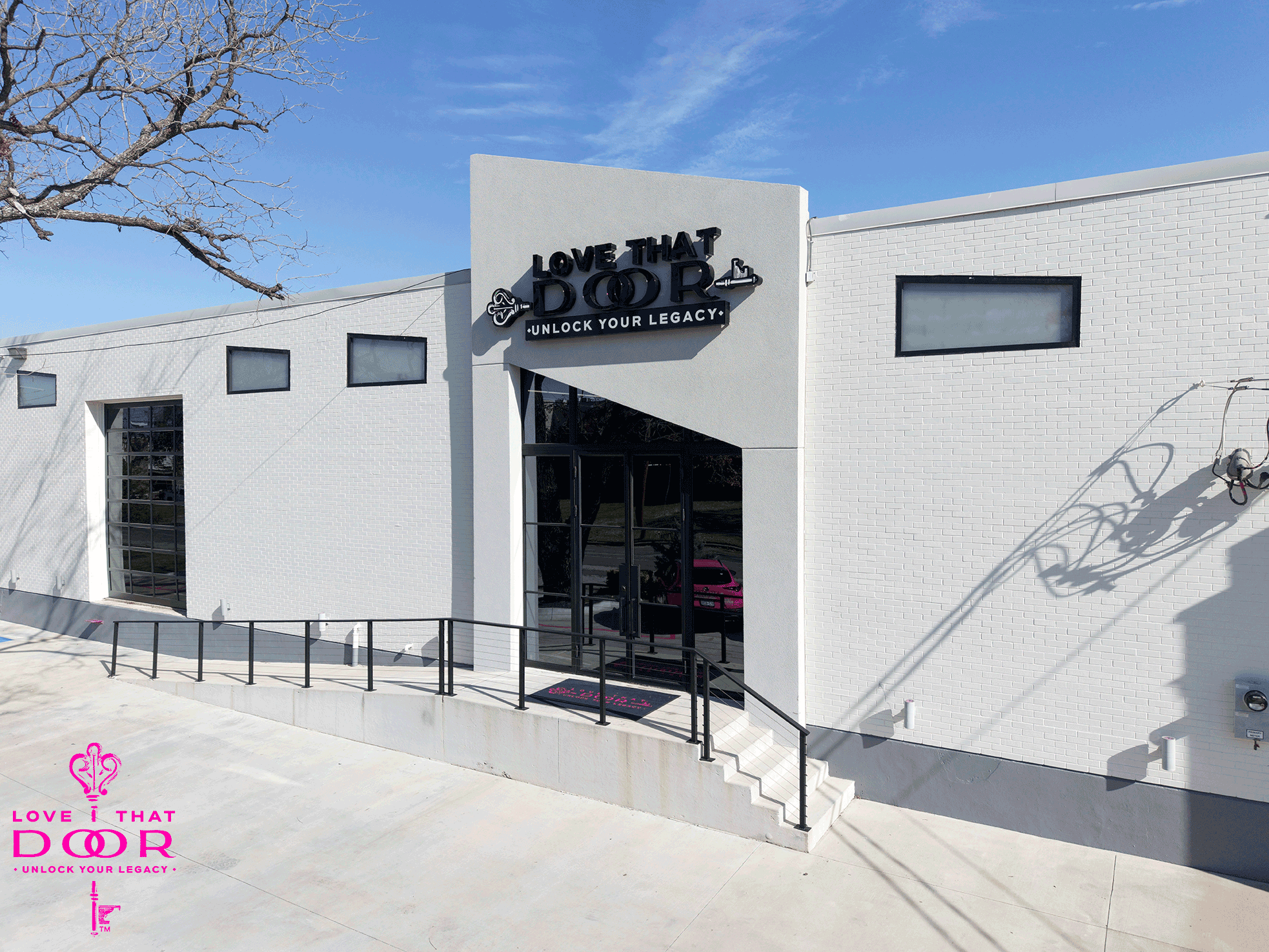
Love That Door® showrooms have tested, certified aluminum doors on display.
Ask to see test documentation. Feel the multi-point locking system engage. Check the threshold drainage.
- Dallas — 1322 Round Table Dr — Dallas showroom
- Frisco — 2429 Preston Rd, Ste. 400 — Frisco showroom
- Fort Worth — 9100 N Fwy, Suite 100 — Fort Worth showroom
- Grapevine — 129 S Main St, Ste 150 — Grapevine showroom
Frequently Asked
Questions
01.
What wind rating should patio doors have in North Texas?
North Texas thunderstorms regularly produce winds over 60 mph, with severe storms exceeding 80 mph. Your patio door should carry a rated wind pressure for both positive and negative pressure that covers these conditions. Ask for the complete assembly rating, not just the frame rating.
02.
How are patio doors tested for water infiltration?
Water infiltration testing simulates driving rain by applying pressurized water while wind pushes against the door. The test measures at what pressure water penetrates the seals, frame joints, or threshold. Key features that prevent infiltration include EPDM gaskets, multi-point locking, integrated track drainage, and properly engineered thresholds.
03.
What does DIN EN 1627 burglar resistance mean for patio doors?
DIN EN 1627 is a German security standard that classifies door resistance from RC 1 (basic) through RC 6 (high security). Love That Door hardware is certified to RC 2-3, meaning the door resisted sustained attack with standard tools. Features include anti-lift bolts, eliminated air gaps between sash and frame, and multi-point locking.
04.
What is TÜV certification for automated patio doors?
TÜV NORD certification for anti-trap protection means the automated door system was independently tested and verified to detect obstructions (a hand, pet, or foot) and stop immediately before causing injury. Love That Door’s electric drive systems carry this certification for panels up to 330 kg.
05.
What testing questions should I ask a patio door company?
Ask for wind pressure rating for the complete assembly, water infiltration test results, burglar resistance classification (DIN EN 1627), U-value of the complete assembly including threshold, and safety certification for any automated systems. If a company can’t provide these, their product may not have been tested.
Get a free quote
REQUEST A QUOTE
Ready to Elevate Your Home with Custom Doors and Windows?
Fill out your contact details and let our design experts guide you through the process:
- Free in-home consultation tailored to your needs.
- Rough measurements and custom design for a perfect fit.