
Hand-Forged vs. Machine-Made Iron Doors — What's Actually Worth the Money?

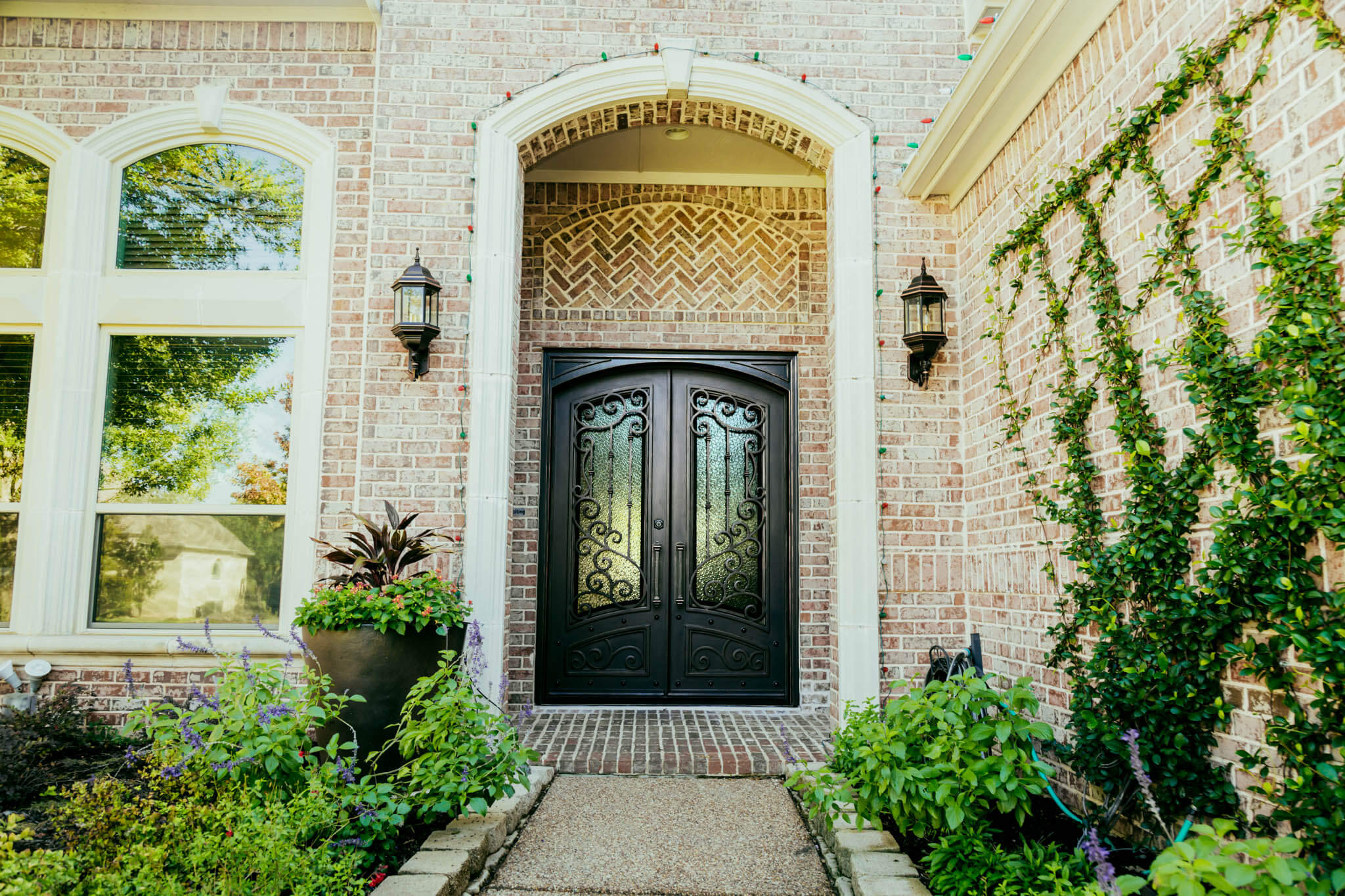
Every iron door company in DFW will tell you their doors are “hand-forged” or “hand-crafted.” It’s one of those terms that sounds premium but means different things depending on who’s saying it.
Some companies forge every decorative element by hand. Others stamp them out by machine and weld them on. Most fall somewhere in between.
Here’s how to tell the difference — and why it matters for the door you’re buying.
What Hand-Forged
Actually Means
Love That Door®
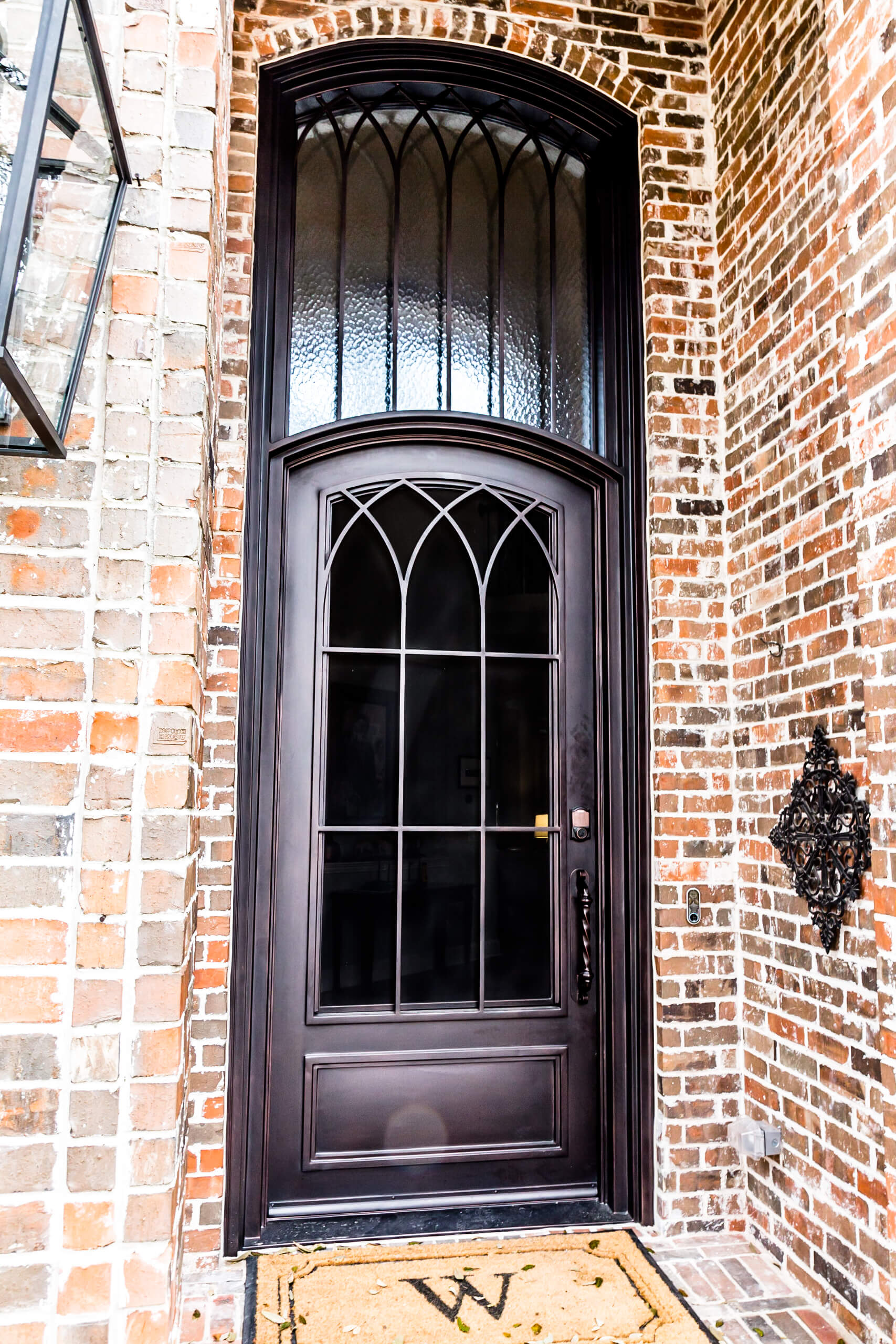
Hand-forging is exactly what it sounds like. A craftsman heats steel or iron in a forge, then shapes it with hammers, tongs, and anvils. Every curve, twist, and scroll is formed individually.
This process creates pieces with subtle variations — slight differences in thickness, curvature, and texture that make each element unique.
Hand-forged scrollwork is not stamped from a mold. It’s not cut by a laser and bent by a machine. It’s shaped by a human who understands how the metal moves when it’s hot.
Book your FREE in-home or showroom consultation today—we'll measure your space, explore custom designs, and bring your vision to life!
Get a FREE quote! Share your measurements or a photo of your space, and our design experts will send you a personalized price estimate.
What Machine-Made
Looks Like
Love That Door®

Machine-made decorative elements are produced using stamping presses, laser cutters, or CNC benders. A design is programmed once, and the machine reproduces it identically — hundreds or thousands of times.
The result is uniform. Every rosette is the same diameter. Every scroll has the same curve. The pieces are consistent, which sounds like a good thing — until you realize that consistency also means the door looks like every other door that came off the same production line.
Machine-made elements aren’t inherently bad. But they’re not hand-forged, and companies shouldn’t market them as such.
How to Tell
the Difference
Love That Door®

You can spot machine-made details if you know what to look for:
- Perfectly identical elements — If every scroll on the door is exactly the same size and shape, they were stamped, not forged
- Sharp, uniform edges — Laser-cut steel has crisp edges that hand-forging can’t replicate
- Flat, thin profiles — Stamped elements are typically thinner than hand-forged pieces because the process uses flat sheet stock
- Visible seams at attachment points — Machine-made pieces are often spot-welded onto the door surface, leaving visible marks where they meet the frame
Hand-forged elements have slight variations. The edges are slightly rounded from the forging process. The material has depth and dimension that flat stamped pieces can’t match.
Book your FREE in-home or showroom consultation today—we'll measure your space, explore custom designs, and bring your vision to life!
Get a FREE quote! Share your measurements or a photo of your space, and our design experts will send you a personalized price estimate.
Why Weld Quality
Matters More Than You Think
Love That Door®
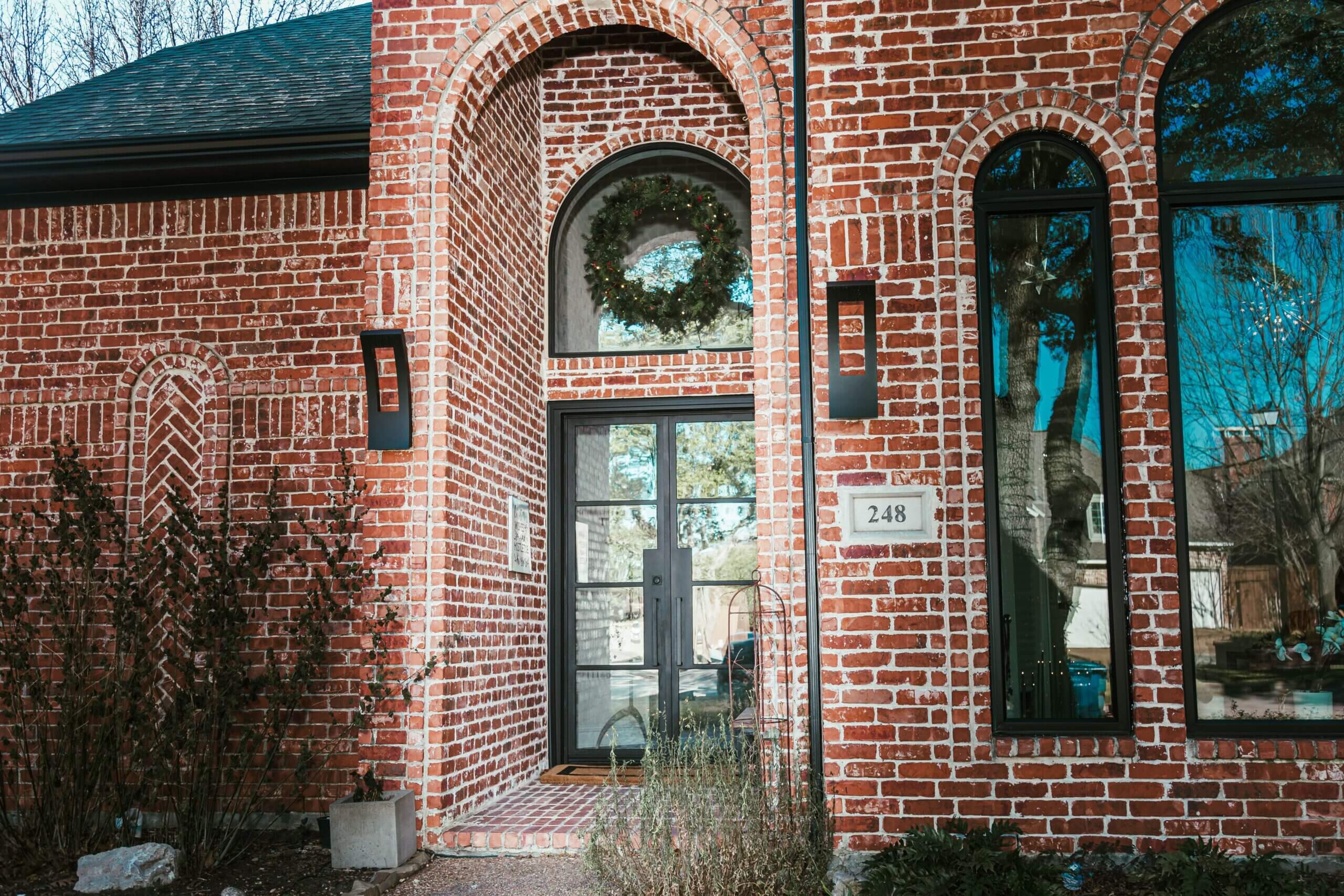
Whether the decorative elements are hand-forged or machine-made, they still need to be attached to the door. And that’s where many manufacturers cut corners.
Cheap welding leaves visible marks — bumps, ridges, and discoloration where the scrollwork meets the frame. You can see them. You can feel them.
Quality welding is invisible. The transition from frame to decorative element is seamless. Running your hand across the surface, you shouldn’t feel where one piece ends and another begins.
Love That Door’s weld standards set us apart from competitors who rush this step. Clean welds take more time. But they’re the difference between a door that looks manufactured and a door that looks crafted.
The Factory Ownership Question

Here’s what most buyers don’t consider: a company that doesn’t own its factory can’t control how the decorative elements are made.
If a door company orders from a supplier’s catalog, they get whatever that supplier produces. They can’t specify hand-forging. They can’t inspect weld quality during production. They can’t reject pieces that don’t meet their standards — because they don’t set the standards.
Love That Door owns our factories. We control every spec, every material, and every process. When we say hand-forged, we know exactly what that means — because we’re the ones doing it.
Does Hand-Forged
Always Mean Better?
Love That Door®

Not automatically. A beautifully hand-forged rosette welded onto 18-gauge hot-rolled steel with visible weld marks is still a mediocre door.
The decorative elements matter. But they sit on top of fundamentals that matter more:
- Steel gauge — 10-gauge cold-rolled steel provides the structural foundation
- Thermal break engineering — Polymer barriers between inner and outer frames prevent heat transfer through the steel
- Door construction — A patented double door system eliminates flex and seal failures
- One-piece transom integration — Engineering the transom as part of the door instead of bolting it on separately
The best doors combine hand-forged craftsmanship with engineered construction. One without the other is incomplete.
What to Ask Before You Buy

When a door company tells you their scrollwork is “hand-forged,” push deeper:
- Can I see the forge? If they own one, they’ll show you.
- Are all decorative elements hand-forged, or just some? Many companies hand-forge a few showcase pieces and machine-stamp the rest.
- What gauge steel are the decorative elements? Thin stamped pieces dent and deform over time.
- How are they attached? Welded? Spot-welded? Can you see or feel the attachment points?
- Who does the forging? The company’s own craftsmen, or a subcontractor they’ve never met?
The answers tell you whether “hand-forged” is a fact or a marketing term.
Schedule Your Consultation
Visit any Love That Door showroom in DFW — Dallas, Frisco, Fort Worth, or Grapevine — and see the difference between hand-forged and machine-made for yourself. Touch the scrollwork. Inspect the welds. Ask anything.
Book your FREE in-home or showroom consultation today—we'll measure your space, explore custom designs, and bring your vision to life!
Get a FREE quote! Share your measurements or a photo of your space, and our design experts will send you a personalized price estimate.
Frequently Asked
Questions
01.
Q: Are hand-forged iron doors more expensive than machine-made?
A: Generally yes. Hand-forging requires skilled labor and more time per piece. But the cost difference isn’t as large as most people expect — especially when you consider that the steel gauge, thermal break engineering, and overall construction quality affect the total price more than the decorative method alone.
02.
Q: Can you mix hand-forged and machine-made elements on the same door?
A: Some manufacturers do this — hand-forging the main scrollwork and using machine-made pieces for smaller details. There’s nothing wrong with this approach as long as the company is transparent about it. Ask specifically which elements are hand-forged and which aren’t.
03.
Q: How do I know if a door company really hand-forges their scrollwork?
A: Ask to see the forge or the factory. If they own their manufacturing, they can show you exactly how the work is done. If they order from an overseas supplier, they may not actually know how their decorative elements are produced — which means they can’t guarantee they’re hand-forged.
04.
Q: Does Love That Door use hand-forged scrollwork?
A: Yes. We own our factories and control every step of production, including the forging of decorative elements. Because we manufacture in-house, we can offer both hand-forged and custom-designed details — and we know exactly how every piece is made.
05.
Q: Do hand-forged details hold up better over time?
A: Hand-forged elements are typically thicker and more dimensionally robust than stamped pieces, which means they resist denting and deformation better. However, the finish quality and the welding are just as important for long-term durability — a well-finished machine-made element can outlast a poorly finished hand-forged one.
Book your FREE in-home or showroom consultation today—we'll measure your space, explore custom designs, and bring your vision to life!
Get a FREE quote! Share your measurements or a photo of your space, and our design experts will send you a personalized price estimate.
Get a free quote
REQUEST A QUOTE
Ready to Elevate Your Home with Custom Doors and Windows?
Fill out your contact details and let our design experts guide you through the process:
- Free in-home consultation tailored to your needs.
- Rough measurements and custom design for a perfect fit.