

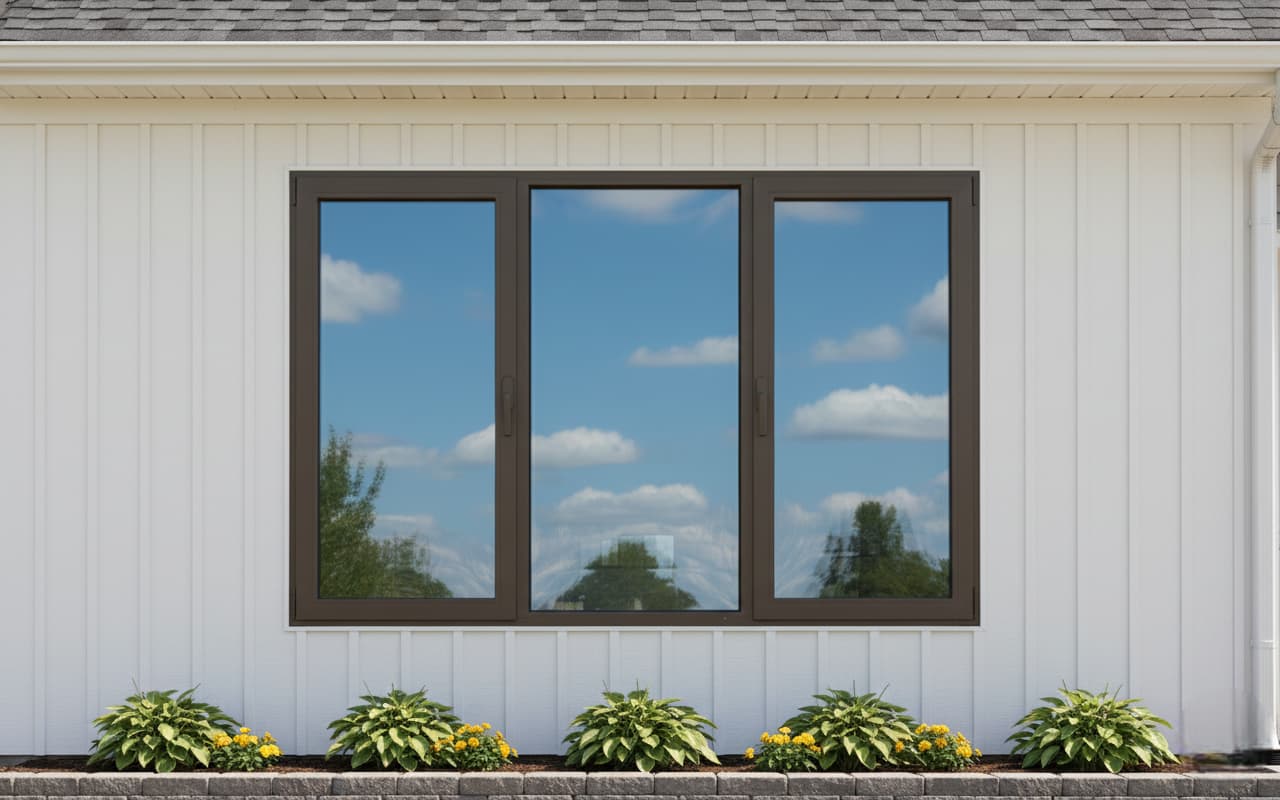
When designing a home, it’s easy to assume that bigger windows automatically mean better results. More glass usually means more light, better views, and a more open feel.
But in modern architecture, the conversation has shifted. It’s no longer just about size, it’s about how windows are designed, placed, and engineered.
So what actually improves a home: bigger windows, or smarter ones?
What Are “Big Windows”?
Big windows are exactly what they sound like, large glass openings designed to bring in light and maximize views.
They are often used to:
- Open up living spaces
- Highlight outdoor landscapes
- Create a more modern aesthetic
While these benefits are real, size alone doesn’t guarantee better performance or comfort.
Pull Quote:
“Bigger windows can make a statement, but they don’t always make a better space.”
What Are “Smart Windows”?
Smart windows are not necessarily smaller, they’re better designed.
They focus on:
- Strategic placement
- Proper orientation to sunlight
- High-performance materials
- Integration with the home’s architecture
Instead of simply adding more glass, smart windows are designed to improve how a home feels and functions.
Performance Matters More Than Size
Large windows without proper engineering can lead to:
- Excess heat gain
- Glare and discomfort
- Increased energy costs
Modern systems, such as thermally broken aluminum window frames, are designed to address these challenges.
They help:
- Reduce heat transfer
- Improve insulation
- Maintain indoor comfort, even with large glass areas
The Role of Placement and Alignment
Smart window design considers how each opening interacts with the rest of the home.
Well-designed systems:
- Align with doors and architectural openings
- Create balanced sightlines
- Guide natural light through the space
This is especially important in homes that use aluminum lift & slide systems, where windows and doors work together to create a seamless indoor–outdoor experience.
When Bigger Windows Make Sense
Large windows can be incredibly effective when used correctly.
They work best when:
- They frame a specific view
- They are supported by high-performance systems
- They are part of a larger architectural plan
In these cases, size enhances the design without compromising comfort.
Why “Smart” Always Wins Long-Term
While large windows can create immediate impact, smart window design delivers long-term benefits.
These include:
- Better energy efficiency
- Improved comfort throughout the day
- More balanced natural light
- Stronger architectural cohesion
This is why architects focus on design strategy, not just size.
Pull Quote:
“The best windows aren’t just bigger, they’re better thought out.”
A System-Based Approach to Windows
In modern homes, windows are not standalone features, they are part of a complete system.
This means:
- Windows align with doors and openings
- Materials are consistent across the home
- Performance is built into the design
This approach ensures that every element contributes to the overall experience.
Final Thoughts
Bigger windows can enhance a home, but only when they are part of a well-designed system. Smart windows, on the other hand, are designed with intention, balancing size, placement, and performance.
For homeowners looking to improve their space, the goal shouldn’t be more glass, it should be better design.
At Love That Door®, we specialize in architectural systems that combine design clarity, performance, and long-term value.
Explore Your Options
If you’re planning a project and want to choose the right window systems for your home,
👉 Request a Free Consultation at lovethatdoor.com