

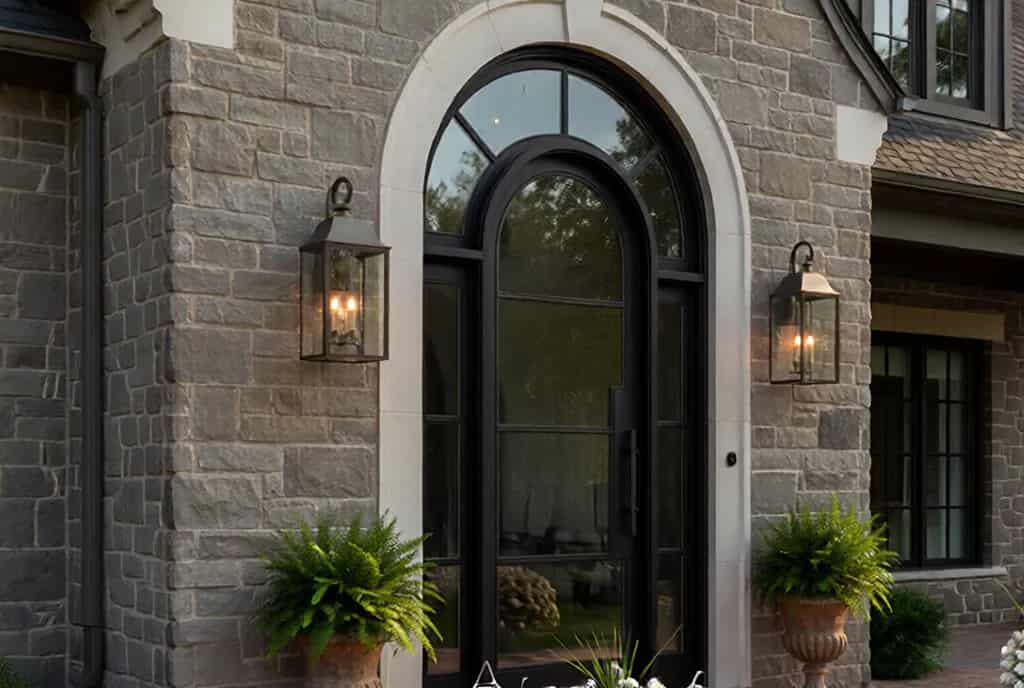
Some homes immediately feel different.
The moment you walk through the door, the space feels lighter, quieter, and more balanced. Nothing feels overwhelming, yet everything feels intentional. It’s difficult to explain—but easy to feel.
That sense of calm is rarely accidental.
In well-designed homes, every detail, from natural light to the placement of windows and doors—works together to shape the experience of the space.
Calm Starts with Natural Light
One of the biggest factors affecting how a home feels is natural light.
But creating a calm environment isn’t about making spaces brighter, it’s about creating the right kind of light.
Homes that feel peaceful often use light to:
- Soften the atmosphere throughout the day
- Create balance between openness and privacy
- Highlight textures and materials naturally
Well-placed windows help light move through the home in a way that feels gentle instead of harsh.
Pull Quote:
“The most calming homes don’t force light into a space, they guide it naturally.”
Flow Matters More Than Size
A home doesn’t need to be enormous to feel luxurious. In fact, many oversized spaces feel cold or disconnected because they lack flow.
Homes that feel calm are usually designed with:
- Clear visual connections between spaces
- Openings that guide movement naturally
- Thoughtful transitions between rooms
Large sliding doors and open architectural openings often help create this sense of connection without making the space feel empty.
The Quiet Impact of Doors and Windows
Most people don’t immediately notice doors and windows when they enter a home, but they feel the difference they make.
The right systems can help a home feel:
- More open without losing warmth
- More connected to the outdoors
- Brighter and more balanced throughout the day
In modern homes, oversized openings and slim-framed windows are often used to create cleaner sightlines and a more peaceful atmosphere.
A Calm Home Feels Connected to Nature
One reason modern homes often feel relaxing is because they blur the line between indoors and outdoors.
Natural views, outdoor light, and open transitions help spaces feel less confined and more breathable.
This is why many homeowners are choosing:
- Large glass openings
- Indoor–outdoor living spaces
- Sliding systems that open entire walls
These elements make the home feel more connected to its surroundings.
Pull Quote:
“The homes that feel the most peaceful are often the ones most connected to the outside world.”
Simplicity Creates Balance
Many luxury homes today are moving away from heavy decoration and toward simpler, cleaner design.
This doesn’t mean spaces feel empty, it means every detail feels intentional.
Simple design allows:
- Natural materials to stand out
- Light to become part of the architecture
- Spaces to feel calmer and less visually overwhelming
The result is a home that feels timeless rather than trend-driven.
Comfort Is Something You Feel, Not See
The most successful homes are designed around how people experience them daily.
Comfort comes from details like:
- Consistent natural light
- Quiet interiors
- Smooth transitions between spaces
- A sense of openness without chaos
These are the elements that quietly shape the mood of a home.
Final Thoughts
The homes that feel calm the moment you walk in are rarely defined by one dramatic feature. Instead, they are shaped by thoughtful design choices that work together to create balance, light, and connection.
From the placement of windows to the flow between indoor and outdoor spaces, every detail contributes to how the home feels.
At Love That Door®, we believe doors and windows should do more than function, they should help shape spaces that feel intentional, welcoming, and timeless.
Explore Your Options
If you’re designing a home and want spaces that feel calm, connected, and beautifully balanced,
👉 Request a Free Consultation at lovethatdoor.com