

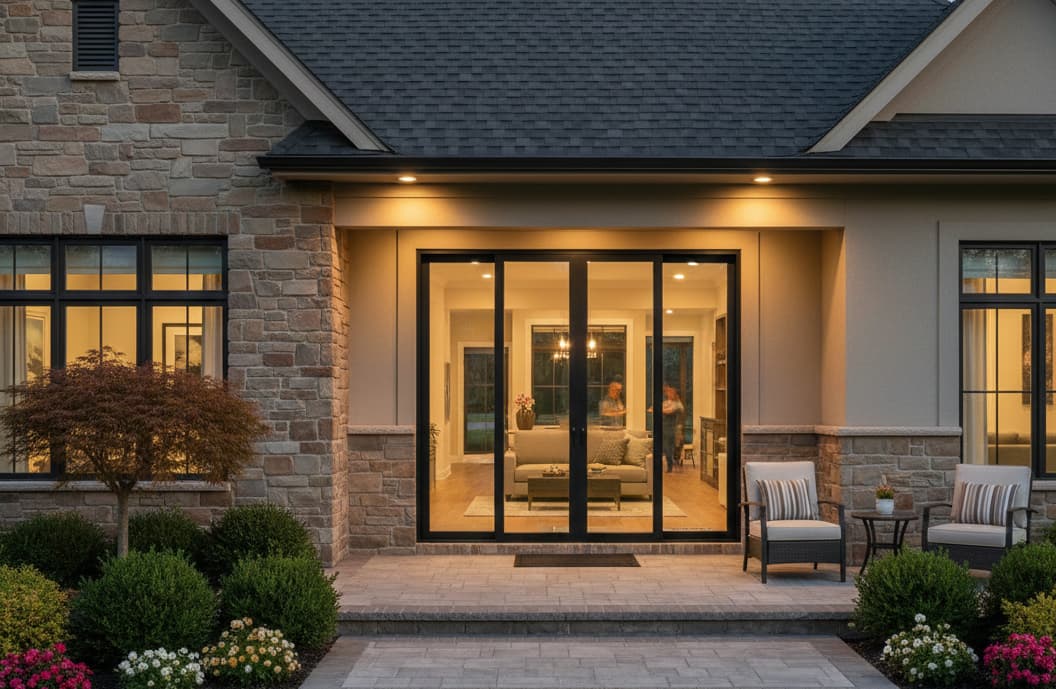
When planning a home project, it’s natural to compare prices and look for ways to save. But when it comes to doors and windows, choosing the cheapest option often leads to higher costs over time.
What seems like a smart decision upfront can result in repairs, replacements, and missed opportunities to improve how a home performs and feels.
Here’s why the lowest price rarely delivers the best value, and what homeowners should consider instead.
The Difference Between Price and Value
Price is what you pay upfront. Value is what you get over time.
Lower-cost doors and windows often reduce price by cutting corners in:
- Material quality
- Structural strength
- Hardware and components
- Manufacturing precision
These trade-offs may not be obvious at first, but they tend to show up with daily use.
Pull Quote:
“The cheapest option often costs more because it’s not built to last.”
Short-Term Savings, Long-Term Costs
Cheaper systems can lead to issues that increase costs over time, such as:
- Frequent maintenance or repairs
- Reduced energy efficiency
- Premature replacement
- Lower overall durability
Instead of lasting for decades, these systems may need to be replaced much sooner—turning a “saving” into a recurring expense.
Performance Impacts Everyday Living
Doors and windows are used constantly, which means performance matters more than most homeowners expect.
Lower-quality systems can affect:
- Indoor temperature control
- Noise levels from outside
- Ease of operation
- Overall comfort
Modern solutions, such as thermally broken aluminum systems, are designed to improve performance while maintaining long-term reliability.
Thermally Broken Aluminum Systems
The Risk of Poor Fit and Installation
Lower-cost options often come with limited customization and less precise installation.
This can result in:
- Misaligned doors and windows
- Air leaks and drafts
- Reduced security
- Shorter product lifespan
High-performance systems are typically designed and installed with precision, ensuring they perform as intended over time.
Design That Doesn’t Hold Up
Another hidden cost is choosing a product that doesn’t age well.
Lower-cost options may:
- Look outdated within a few years
- Clash with the overall architecture
- Limit future upgrades or improvements
High-quality systems are designed with timeless proportions and materials, allowing them to remain relevant and visually balanced over time.
Pull Quote:
“The right investment doesn’t just last longer, it continues to look right.”
Why Modern Homes Invest in Better Systems
High-end homes are designed with a long-term perspective. Instead of focusing on individual products, they prioritize complete systems that deliver both performance and design consistency.
These systems often include:
- Aluminum lift & slide doors for large openings
- Coordinated window systems
- High-performance materials designed for durability
This approach helps homeowners avoid the need for future replacements and ensures a better overall experience.
Thinking Beyond the Initial Cost
The most successful projects are those that consider:
- Long-term performance
- Durability in specific climates
- How each element fits into the overall design
- The total cost over the life of the product
By shifting the focus from price to value, homeowners can make decisions that benefit them for years to come.
Final Thoughts
In home design, the cheapest option rarely delivers the best results. While it may reduce upfront costs, it often leads to compromises in performance, durability, and overall satisfaction.
Investing in high-quality door and window systems allows homeowners to enjoy better comfort, stronger performance, and long-term value.
At Love That Door®, we focus on delivering systems designed for both immediate impact and lasting performance, helping homeowners make decisions with confidence.
Explore Your Options
If you’re comparing options and want to understand the true value of high-performance systems,
Request a Free Consultation at lovethatdoor.com