

Why Your Iron Door and Transom Should Be Built as One Piece
Home » Why Your Iron Door and Transom Should Be Built as One Piece

Scroll To Explore
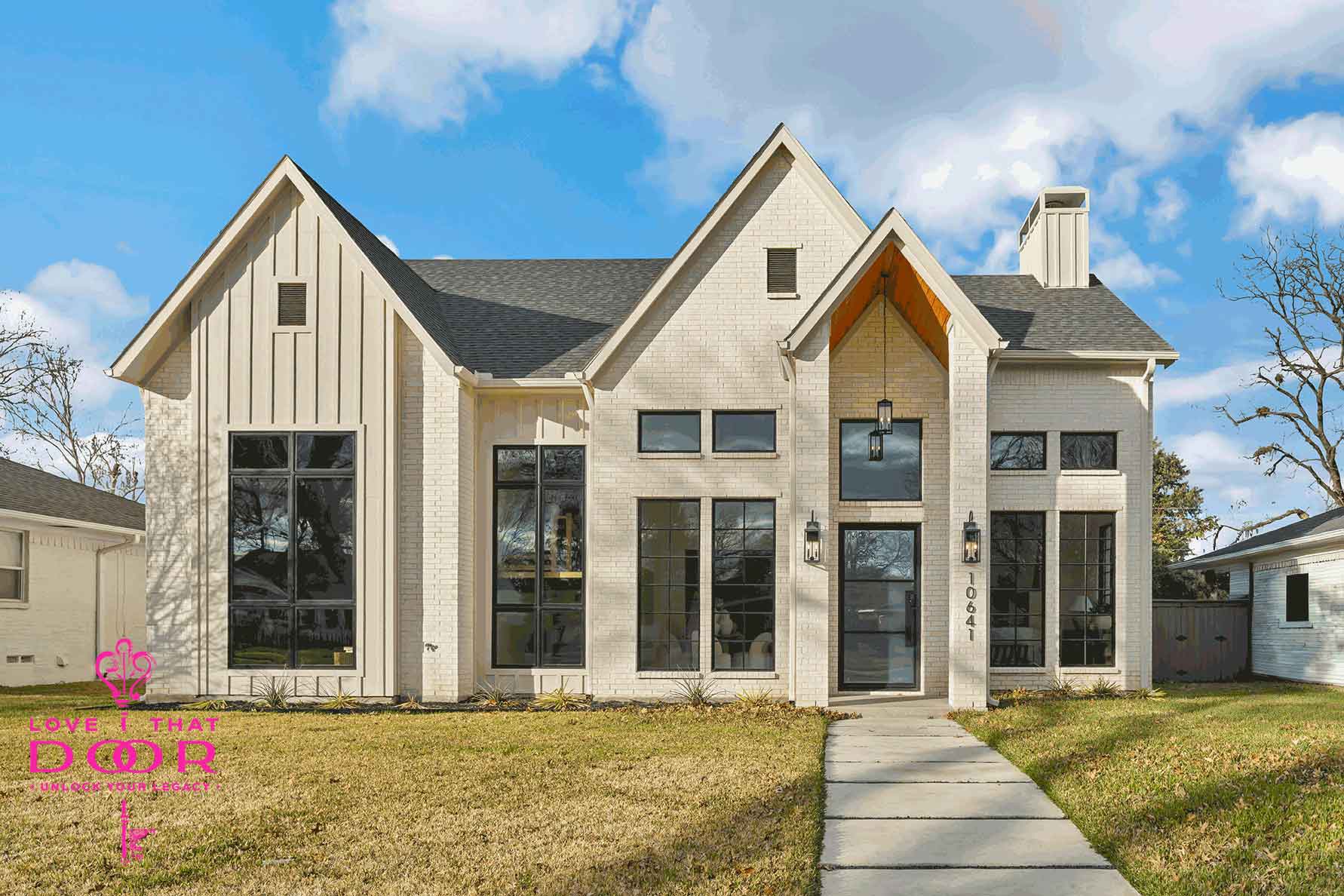
Understanding Differential Settling and Unified Engineering
A transom window above an iron entry door does two things well: it floods the foyer with natural light and gives the home’s exterior a finished, architectural presence. Done right, it’s one of the most elegant details in residential design. Done wrong — meaning assembled as two independent components bolted together at the job site — it becomes a slow-motion engineering problem that takes years to fully reveal itself. Most homeowners don’t know to ask whether their door and transom are integrated or assembled. By the time the consequences become visible, the installation is long past warranty and the fix is anything but simple.
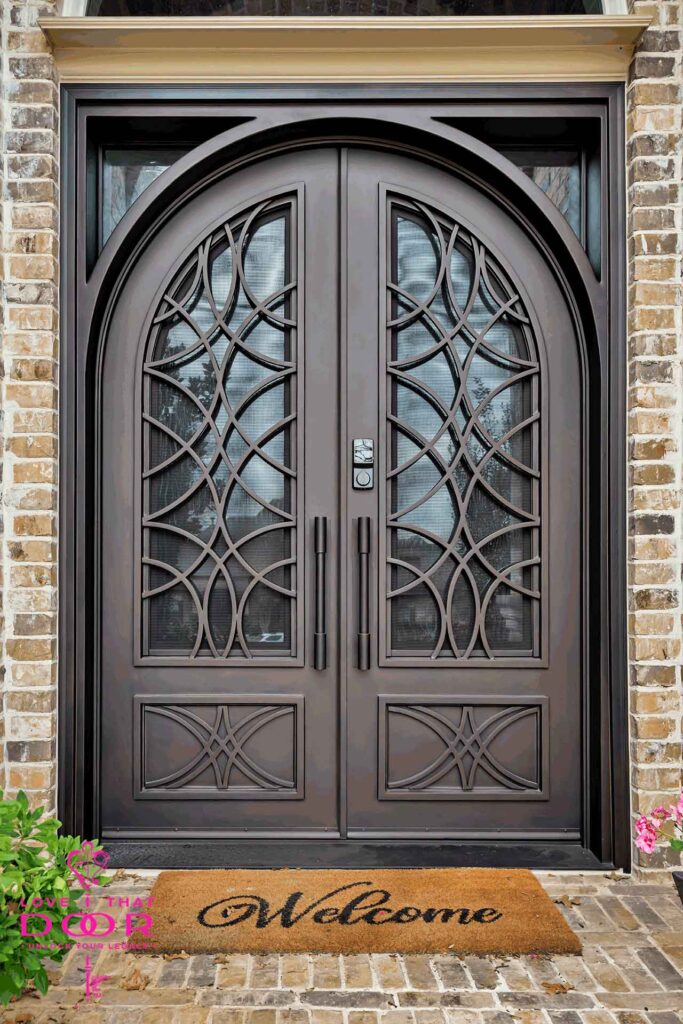
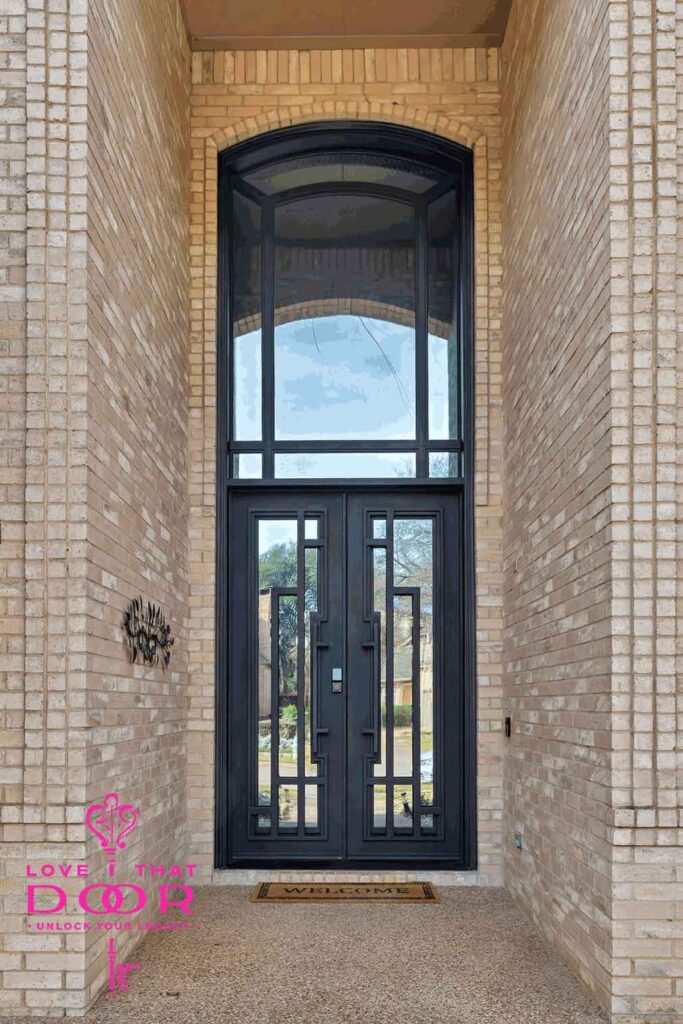
What "Differential Settling" Actually Means
Every home moves. Foundations respond to soil moisture, temperature changes, and load shifts in ways that are normal and expected — but not uniform. A door frame anchored at the base of a rough opening experiences slightly different forces than a transom frame anchored higher in the same opening. When those two frames are independent structures, they settle independently. Over months and years, this differential movement accumulates. The gap between door frame and transom frame — initially sealed with caulk or covered by trim — begins to open unevenly. Glass panels in the transom experience racking stress as the frame distorts around them. Seals fail. Water finds its way in. What looked like a beautiful entryway starts showing its structural seams.
Why Separate Installation Is the Industry Default
The honest answer is that building a door and transom as two separate components is cheaper and easier to ship. Independent frames can be manufactured to standard sizes, packed flat, and assembled on-site by any installer with basic tools. There’s no engineering complexity involved — which is precisely the problem. When manufacturers prioritize logistics over performance, homeowners pay the difference in callbacks, repairs, and premature replacements. Integrated construction requires more upfront engineering. The door slab, surrounding framework, and transom must be designed as a single structural system from the outset — with consistent gauge steel throughout, unified welding that eliminates internal stress points, and precise geometry that allows for
.
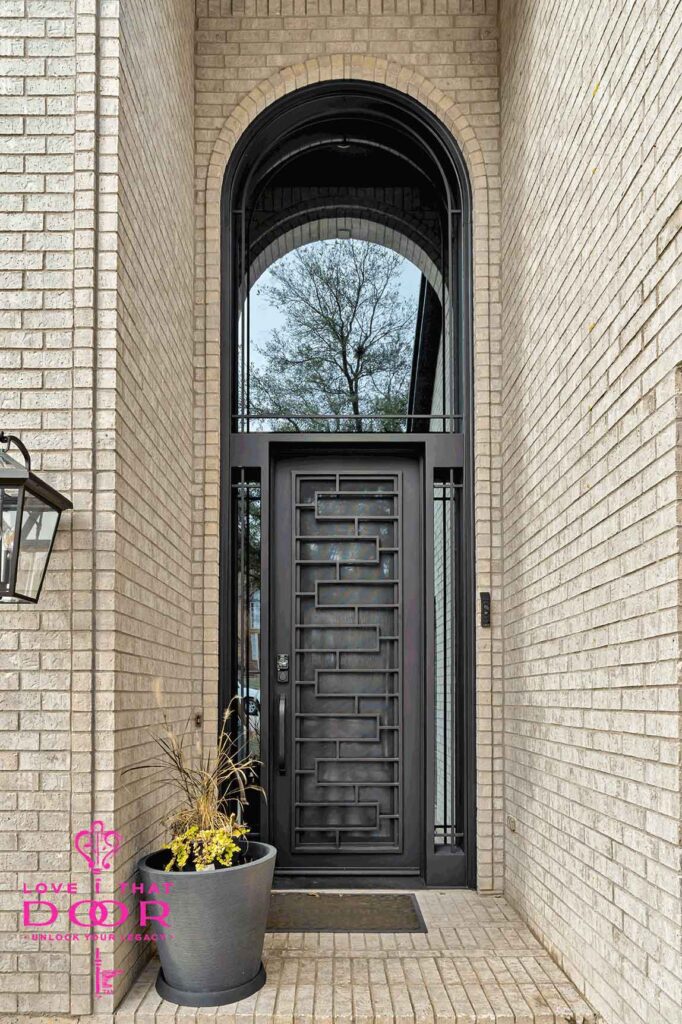
What Unified Engineering Looks Like in Practice
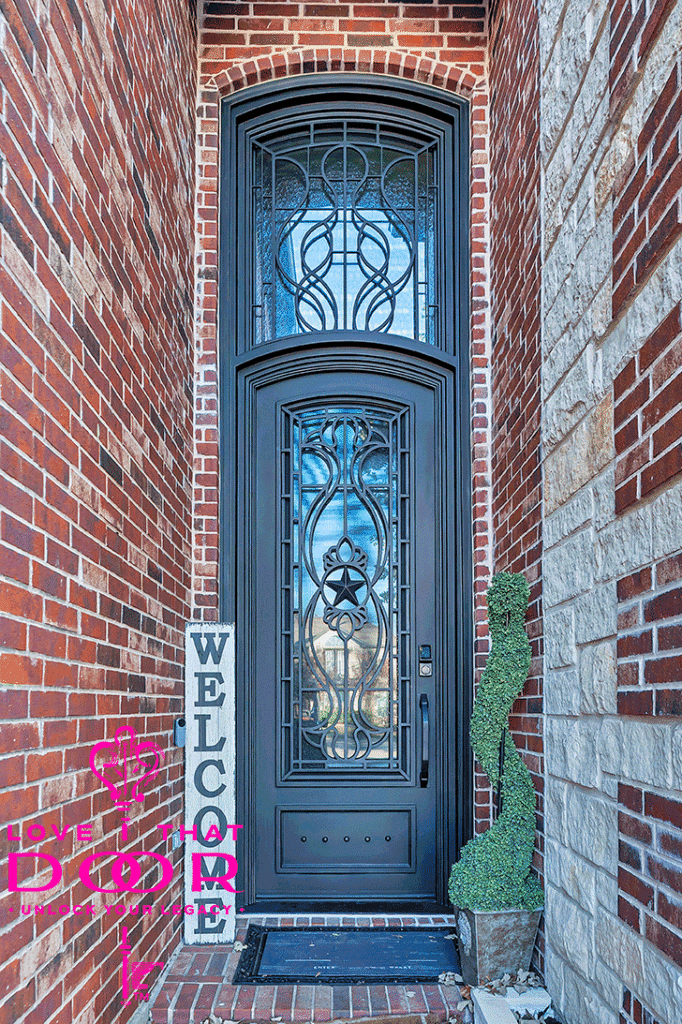
Love That Door’s patented single-framework construction treats the entry system as one structural unit. The door and transom share a continuous framework; there’s no seam between them to open, no independent settling to manage, and no caulk joint doing structural work it wasn’t designed for.
Because the transom is framed as part of the door unit, the Low-E Square 2 glass panels are set into a stable, unified surround rather than a secondary frame that may drift. The entire assembly is insulated with closed-cell polyurethane — a continuous thermal barrier that doesn’t leave a cold gap at the door-transom junction. And because the framework is built from cold-rolled steel with a galvanized and zinc coating process, the structural integrity of that unified frame isn’t compromised by surface corrosion working inward at weld points.
The Details That Signal Quality
When evaluating iron doors with transoms, ask these questions:
1) Is the door and transom framed as a single unit, or assembled on-site from separate components?
2) What gauge steel is used throughout — including the transom section?
3) How is the junction between door and transom sealed — does it depend on caulk or on structural continuity?
4) What warranty covers the finish and the door itself?
At Love That Door, the answers are straightforward: single-framework construction, 10 gauge cold-rolled steel throughout, structural continuity rather than caulk, and a 10-year finish warranty backed by a lifetime door warranty.
See It for Yourself
Browse Love That Door’s doors with transoms collection to see how integrated construction translates into finished product. The visual difference between a unified entry system and an assembled one is often apparent even in photographs — the lines are cleaner, the proportions more intentional, and the junction between door and transom reads as architecture rather than installation.
Consultations are free at Love That Door showrooms across the DFW area, including Frisco, Dallas, Fort Worth, and Grapevine. If you’re planning an entry with a transom, it’s worth having a conversation before the rough opening is framed — the right system starts with the right design.